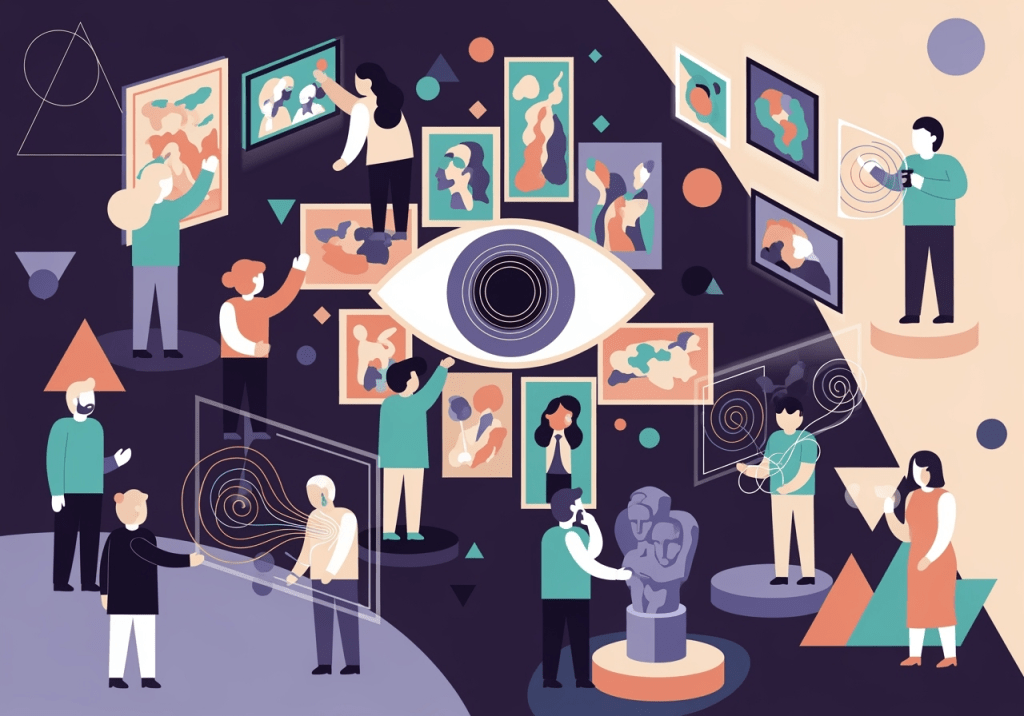
As we step into 2025, the relationship between artists and artificial intelligence (AI) has undergone a remarkable transformation. No longer seen as mere tools, AI systems are now reshaping the creative landscape and redefining what it means to be an artist today. Let’s delve into how AI is revolutionizing art creation and what it means for artists in this new era.
The New AI Art Landscape
AI tools have evolved significantly, moving beyond basic image generation capabilities to become sophisticated partners in the creative process. Here are some key advancements:
- Advanced Style Transfer Capabilities: These tools can now seamlessly blend different artistic styles, allowing artists to create unique works that reflect their vision.
- Sophisticated Co-Creation Features: Artists can collaborate with AI in real-time, merging human creativity with AI processing power.
- Enhanced Control Over Outputs: Artists have more precise control over their final products, ensuring that their unique style is preserved.
- Better Understanding of Artistic Intent: AI systems are now smarter, recognizing and adapting to an artist’s intent and context.
- Improved Protection of Artist Rights: With new tools in place, artists can better protect their work and rights.
Key Changes in 2025
1. AI as a Collaborative Partner
In 2025, AI has transformed into a creative assistant rather than a mere tool. Artists now maintain control over their creative vision while AI handles the technical details. This real-time collaboration allows for a more dynamic creative process, with personalized AI tools that learn and adapt to an individual artist’s style.
2. Enhanced Creative Control
Artists can now make precise adjustments to their work through advanced parameter settings and layer-by-layer editing capabilities. Detailed prompt engineering tools enhance the understanding of artistic context, allowing artists to maintain their signature style across multiple iterations.
3. Protection and Rights Management
With the rise of AI-generated art, protecting artists’ rights has become paramount. New systems include:
- Built-in watermarking
- Blockchain-based attribution
- AI detection tools for original work
- Clear licensing frameworks
- Requirements for artist consent
Current Tools Reshaping the Industry
Several leading platforms are at the forefront of this AI art revolution:
- ArtFusion Pro: Focuses on style preservation.
- CreativeAI Suite: Emphasizes collaborative features.
- StudioMind: Offers enhanced control and editing capabilities.
- ArtistGuard: Specializes in rights protection and management.
What’s Working Now
Successful integration strategies are emerging:
- Using AI for initial concept exploration
- Implementing AI for technical corrections
- Leveraging AI for background elements
- Ensuring that the human touch remains in final details
- Building hybrid workflows that combine traditional and AI methods
Challenges and Solutions
As with any revolution, challenges exist:
- Style Consistency: New AI models that better preserve artistic identity are being developed.
- Creative Control: Enhanced parameter control and editing tools are addressing this issue.
- Market Differentiation: Clear labeling of AI involvement in artworks is becoming standard.
- Technical Learning Curve: More intuitive interfaces and better training resources are helping artists adapt.
Best Practices for Artists
To navigate this new landscape, artists can adopt the following best practices:
1. Workflow Integration
- Start with a clear creative vision.
- Use AI as an enhancement tool rather than a replacement.
- Document your creative process for future reference.
2. Tool Selection
- Choose tools that align with your artistic style.
- Focus on features that offer control and rights protection.
- Consider the learning curve associated with new tools.
3. Market Positioning
- Be transparent about your use of AI in your art.
- Highlight the human creativity that drives your work.
- Engage with your audience about your creative process.
What’s Coming Next
As we look ahead, we can expect:
- More sophisticated style learning capabilities.
- Improved creative control tools.
- Enhanced protection systems for artists.
- Better collaboration features.
- More specialized tools tailored to specific artistic needs.
Practical Tips for Getting Started
1. Begin with Basic Tools
- Start with user-friendly platforms and experiment with different features.
- Document your learning journey to track progress.
2. Develop Your Workflow
- Integrate AI gradually into your creative process while maintaining control.
- Consistent processes will help you track results and adjust accordingly.
3. Protect Your Work
- Use available protection tools and understand your rights management options.
- Keep thorough records of your original work and monitor its usage.
Questions to Consider
As you explore the integration of AI into your artistic practice, consider:
- How are you currently using AI in your creative process?
- What challenges have you faced when working with AI art tools?
- What features would you like to see in future AI art tools?
The landscape of AI in art creation is evolving rapidly, and there’s so much to explore. If you have specific aspects of AI art creation that you’re curious about or want more detail on, let me know what interests you most!
- Behind-the-scenes of Artwork Creation
- History of Art
- Local Art Scene in Southend-on-Sea
- Nature and Cat Art Technics
- Navigating Social Media & AI in Art in 2025
- Seasonal Reflections
- Thoughts on AI Art, Traditional Art, and Creativity
- Uncategorized

 Milena Skulimowska Visual Artist
Leave a comment