In the fast-paced digital world of 2025, artists have more opportunities than ever to showcase their unique talents and connect with audiences. However, with this abundance of options comes increased competition. To help you navigate this landscape, here’s a comprehensive guide to building a strong artist brand that resonates and stands out in the crowded digital space.
The Foundation of Your Digital Brand
1. Define Your Unique Artist Identity
The first step in establishing your artist brand is to pinpoint what makes your art distinctive. Consider the following:
- What makes your art different? Identify your unique selling points and artistic approaches.
- Core values and mission: What principles guide your work? Your mission statement can help communicate your passion.
- Artistic style and voice: Develop a recognizable style that reflects your personality and perspective.
- Target audience preferences: Understand who your audience is and what they appreciate about your art.
2. Create Your Digital Home Base
Your online presence should begin with a professional website that serves as the central hub for your work. Key components include:
- A well-curated portfolio showcasing your best pieces.
- An artist bio that tells your story and connects with visitors.
- Clear brand messaging that reflects your values and style.
- Easy contact and purchase options for potential buyers.
Platform Strategy for 2025
As you build your brand, it’s essential to choose the right platforms for showcasing your art. Here are the primary platforms to focus on:
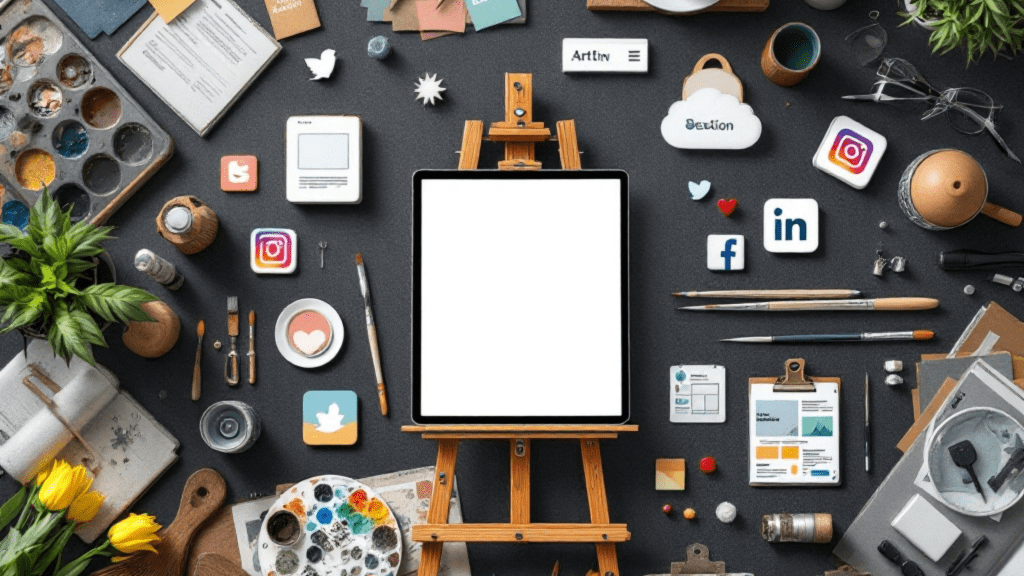
- Instagram: Remains a dominant platform for visual artists, ideal for sharing images and engaging with followers.
- TikTok: Vital for reaching wider audiences with engaging process videos and short clips.
- Artfol: A growing platform specifically designed for artists to share and promote their work.
- LinkedIn: Useful for professional networking and B2B opportunities.
Content Mix That Works:
To engage your audience effectively, consider a content mix that includes:
- Process videos (30%): Show how you create your art.
- Finished work (25%): Share your completed pieces to showcase your talent.
- Behind-the-scenes (20%): Give insights into your creative environment and methods.
- Personal brand stories (15%): Connect with your audience on a personal level.
- Educational content (10%): Share tips and tutorials to provide value.
Building Your Digital Presence
1. Visual Consistency
Establish a cohesive visual identity across your platforms:
- Use a consistent color palette that reflects your style.
- Maintain a recognizable photo editing style.
- Incorporate brand elements in all posts to enhance recognition.
2. Content Strategy
A strategic approach to content is crucial:
- Maintain a regular posting schedule to keep your audience engaged.
- Adapt your content types to suit each platform’s strengths.
- Use strategic hashtags to increase visibility.
3. Community Building
Engagement is key to building a loyal community:
- Interact with your followers daily to foster connections.
- Respond promptly to comments and messages.
- Create interactive content, such as polls and quizzes.
- Host virtual events to deepen engagement.
Monetization Channels
1. Direct Sales
Explore options for selling your art directly:
- Integrate an online store on your website.
- Offer limited edition releases to create exclusivity.
- Develop a commission system for personalized requests.
- Consider print-on-demand options for wider accessibility.
2. Digital Products
Diversify your income streams with digital offerings:
- Create online courses to teach your skills.
- Offer digital downloads of your work.
- Develop tutorial packages or resource collections.
Protection and Rights Management
1. Digital Watermarking
To safeguard your work, utilize digital watermarking techniques:
- Apply visible but unobtrusive marks to your images.
- Embed metadata in your files to track usage.
- Consider copyright registration for additional protection.
2. Content Protection
Ensure you have clear terms of use:
- State licensing information clearly.
- Implement rights management systems to protect your work.
- Consider AI protection measures to prevent unauthorized use.
Engagement Strategies
1. Story-Driven Content
Engage your audience with compelling narratives:
- Share your creative process and the stories behind your art.
- Highlight personal journey milestones.
- Feature behind-the-scenes looks at your daily life.
- Collaborate with clients and share those experiences.
2. Interactive Elements
Incorporate interactive elements to enhance engagement:
- Use polls and questions to solicit feedback.
- Host live streaming sessions to connect in real-time.
- Offer virtual studio tours for a personal touch.
- Conduct Q&A sessions to address audience queries.
Measuring Success
To gauge the effectiveness of your brand-building efforts, track key metrics:
- Engagement rates: Measure likes, shares, and comments.
- Follower growth: Monitor your audience expansion.
- Sales conversion: Analyze how many visitors become buyers.
- Website traffic: Check how many people visit your site.
- Email list growth: Track your subscriber count.
Tools for Growth:
Leverage various tools to support your brand development:
- Use analytics platforms for insights into your performance.
- Employ scheduling tools to streamline your posting.
- Utilize CRM systems for managing your audience.
- Engage in email marketing to keep your followers informed.
Future-Proofing Your Brand
1. Stay Adaptable
In the ever-changing digital landscape, adaptability is essential:
- Regularly monitor industry trends to stay relevant.
- Test new platforms and adjust strategies based on performance data.
- Continuously learn new skills to enhance your offerings.
2. Build Direct Connections
Fostering direct connections with your audience is crucial:
- Focus on building your email list for direct communication.
- Develop a sense of community around your brand.
- Use direct messaging for personal interactions.
Questions to Consider
As you embark on your branding journey, reflect on these questions:
- How does your current brand align with your long-term goals?
- Which platforms yield the best engagement for your art?
- What types of content resonate most with your audience?
If you want to dive deeper into any specific aspect of brand building, feel free to reach out! Your journey in the digital age is just beginning, and with the right strategies, your artist brand can thrive in 2025 and beyond.
- Behind-the-scenes of Artwork Creation
- History of Art
- Local Art Scene in Southend-on-Sea
- Nature and Cat Art Technics
- Navigating Social Media & AI in Art in 2025
- Seasonal Reflections
- Thoughts on AI Art, Traditional Art, and Creativity
- Uncategorized



 Milena Skulimowska Visual Artist
Leave a comment