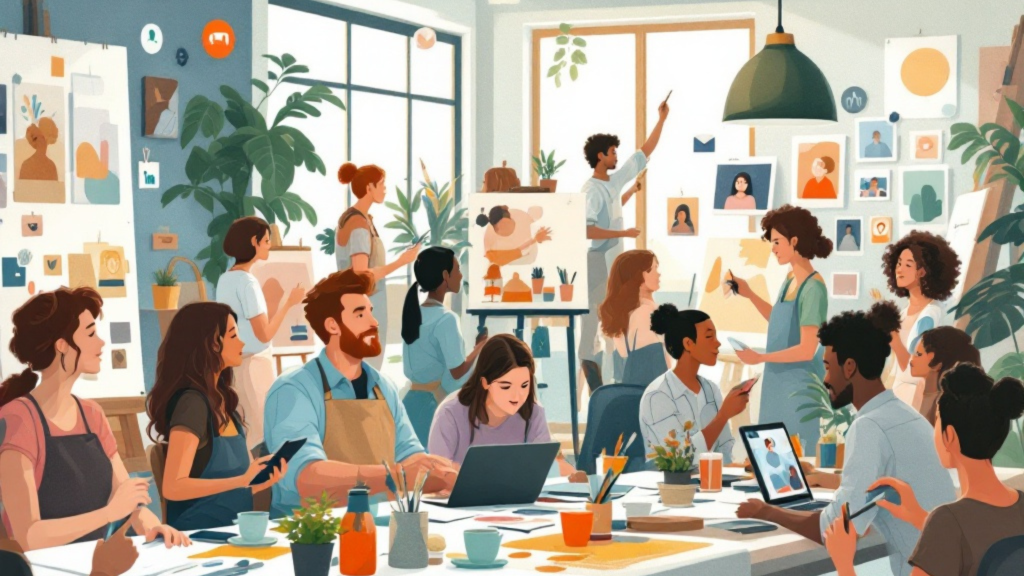
In an increasingly digital world, building a strong and engaged community is essential for artists looking to thrive in their craft. Whether you’re a painter, musician, or any other type of creative, establishing meaningful connections can significantly impact your career. Here’s a comprehensive guide on how to foster a supportive network in today’s dynamic landscape.
Building Your Art Community
1. Platform Selection
Choosing the right platforms to showcase your art and connect with others is the first step.
- Instagram is perfect for visual storytelling, offering a vibrant space to share your work.
- Discord fosters community engagement through real-time conversations.
- Twitter is ideal for networking within the industry, allowing you to connect with peers and potential collaborators.
- LinkedIn helps you build professional connections and showcase your portfolio to industry leaders.
- TikTok allows you to reach new audiences with creative, short-form videos.
2. Community Structure
Creating a solid foundation for your community is crucial.
- Identify your core audience and understand their interests.
- Establish engagement guidelines to foster respectful discussions.
- Develop a content calendar to ensure consistent posting.
- Curate discussion topics that encourage interaction.
- Define your community values to align everyone’s expectations.
Creating Meaningful Connections
1. Engagement Strategies
To keep your community engaged, consider these strategies:
- Host regular live sessions for real-time interaction.
- Provide Q&A opportunities to answer questions directly.
- Share behind-the-scenes content to give insight into your creative process.
- Engage in process sharing where you discuss how you create your art.
- Organize community challenges to inspire creativity and participation.
2. Value Exchange
Offer and encourage a reciprocal exchange of value:
- Share your knowledge and expertise.
- Provide resources that can help fellow artists.
- Conduct feedback sessions to help each other grow.
- Explore collaboration opportunities that benefit both parties.
- Consider starting mentorship programs to guide emerging artists.
Professional Networking
1. Industry Connections
Building relationships with key players in the art world is vital:
- Connect with art directors who can provide valuable insights.
- Build relationships with gallery owners to explore exhibition opportunities.
- Network with fellow artists for support and collaboration.
- Engage with art buyers who could be interested in your work.
- Seek advice from industry experts to enhance your skills.
2. Network Building
Expand your network through various avenues:
- Attend virtual events and online conferences relevant to your field.
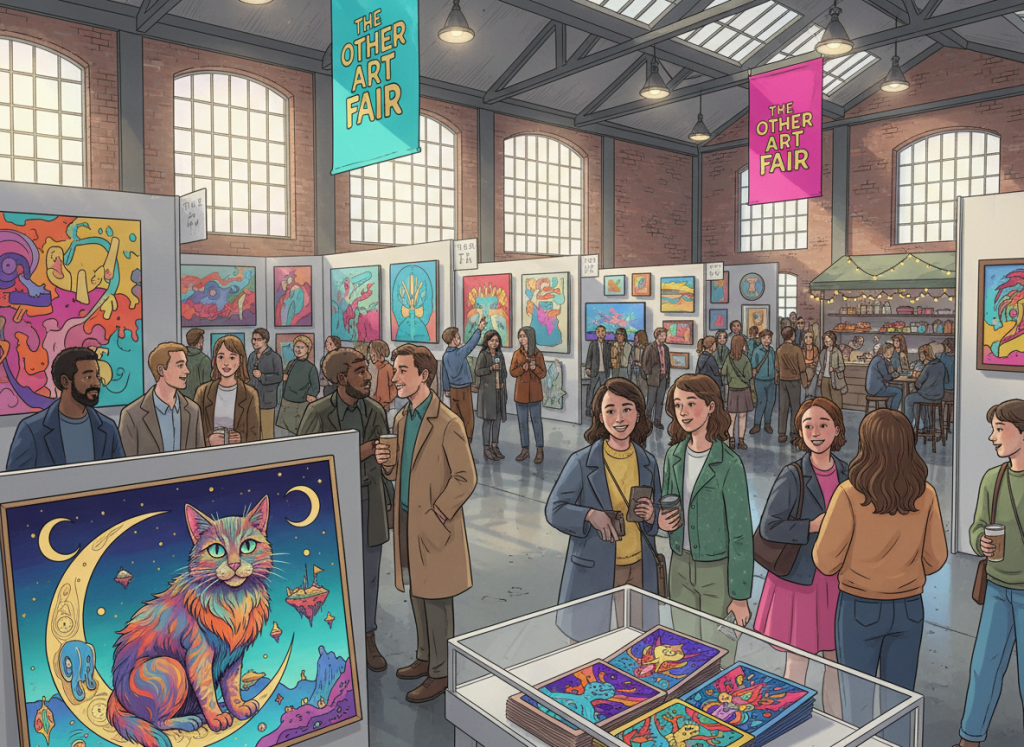
- Participate in industry meetups and art fairs to meet others face-to-face.
- Join professional groups that align with your artistic interests.
Collaboration Opportunities
1. Artist Collaborations
Collaborating with other artists can lead to exciting projects:
- Explore joint projects that combine your strengths.
- Engage in skill sharing to learn from one another.
- Use cross-promotion to reach a wider audience.
- Participate in creative exchanges to inspire new ideas.
- Organize community projects that bring artists together.
2. Brand Partnerships
Consider partnerships with brands to enhance your visibility:
- Look into sponsored content that aligns with your brand.
- Explore product collaborations where you can create unique items.
- Become a brand ambassador for companies that resonate with your values.
- Offer commission work for brands seeking unique art.
- Develop licensed collections to reach new markets.
Community Management
1. Engagement Tools
Utilize tools to manage your community effectively:
- Implement comment management to foster positive discussions.
- Ensure timely message responses to engage members.
- Use content scheduling tools to maintain a consistent presence.
- Track analytics to understand engagement and improve strategies.
- Establish community moderation to uphold standards.
2. Content Strategy
A well-defined content strategy keeps your community thriving:
- Provide regular updates on your projects and community news.
- Create interactive posts that encourage participation.
- Highlight community success stories to inspire and motivate.
- Share educational content that benefits your audience.
Building Trust
1. Authenticity
Trust is built through authenticity:
- Maintain a consistent presence across platforms.
- Communicate with transparency about your work and processes.
- Foster a personal connection with your audience.
- Engage in genuine interactions that show you care.
- Always strive to deliver value to your community.
2. Community Support
Be there for your community:
- Share resources and tools that can assist others.
- Offer problem-solving advice based on your experiences.
- Provide career guidance to those looking to grow.
- Share technical advice to help others improve their skills.
- Offer emotional support to foster a safe space.
Growing Your Network
1. Expansion Strategies
To broaden your reach:
- Maintain a cross-platform presence to attract diverse audiences.
- Engage in collaborative projects to tap into new networks.
- Feature guest artists on your platforms to introduce fresh perspectives.
- Host community events that encourage participation and interaction.
- Implement referral programs to incentivize community growth.
2. Relationship Building
Invest in long-term connections:
- Conduct personal outreach to strengthen relationships.
- Prioritize regular engagement to keep connections alive.
- Always seek to add value to your interactions.
- Practice professional courtesy in all communications.
- Focus on long-term connection rather than short-term gain.
Measuring Success
To gauge your community’s health, monitor these key metrics:
- Community growth over time.
- Engagement rates on posts and interactions.
- Outcomes from collaborations you initiate.
- Network expansion through new connections.
- The overall value creation within your community.
Community Guidelines
1. Setting Standards
Establish clear guidelines to maintain a positive atmosphere:
- Define communication rules to ensure respectful interactions.
- Set behavior expectations to foster a supportive environment.
- Create content guidelines to maintain quality.
- Outline interaction norms to guide discussions.
- Implement privacy policies to protect members.
2. Maintaining Quality
Ensure the quality of interactions and content:
- Curate content to highlight valuable contributions.
- Moderate discussions to keep conversations constructive.
- Manage feedback to improve community experiences.
- Resolve conflicts swiftly and fairly.
- Focus on value preservation to maintain community integrity.
Future Trends
1. Emerging Platforms
Stay ahead by exploring new platforms:
- Consider virtual reality spaces for immersive experiences.
- Explore augmented reality galleries to showcase art in innovative ways.
- Engage in blockchain communities for decentralized art ownership.
- Participate in decentralized networks to connect with global audiences.
- Experiment with interactive environments that encourage participation.
2. Community Evolution
Anticipate changes in community engagement:
- Embrace hybrid events that combine online and offline experiences.
- Foster cross-platform integration to enhance accessibility.
- Encourage global collaboration to broaden perspectives.
- Focus on real-time interaction to build stronger connections.
- Create immersive experiences that captivate your audience.
Action Steps
1. Getting Started
Kick off your community-building journey by:
- Defining your community goals.
- Choosing your primary platforms for engagement.
- Developing a content strategy that aligns with your vision.
- Setting an engagement schedule to maintain consistency.
- Building your initial connections within the community.
2. Maintaining Momentum
Keep the energy alive by:
- Engaging regularly to stay connected.
- Ensuring content consistency to keep your community informed.
- Nurturing your network through meaningful interactions.
- Providing value consistently to your members.
- Focusing on community growth through active participation.
Questions to Consider
As you embark on this journey, ask yourself:
- What type of community aligns best with your art?
- How can you provide unique value to your network?
- Which collaboration opportunities excite you most?
Remember that strong communities are built on authentic connections, consistent engagement, and mutual value creation. How are you building yours?
Pro Tips
- Prioritize quality over quantity in your connections.
- Stay consistently engaged with your audience.
- Always aim to provide genuine value to your community.
- Build authentic relationships that foster trust.
- Focus on meaningful interactions rather than superficial exchanges.
Want to dive deeper into a specific aspect of community building? Let me know what interests you most about creating and nurturing your artistic community in 2025!
- Behind-the-scenes of Artwork Creation
- History of Art
- Local Art Scene in Southend-on-Sea
- Nature and Cat Art Technics
- Navigating Social Media & AI in Art in 2025
- Seasonal Reflections
- Thoughts on AI Art, Traditional Art, and Creativity
- Uncategorized





 Milena Skulimowska Visual Artist
Leave a comment