A Reflection from a Southend-on-Sea Artist
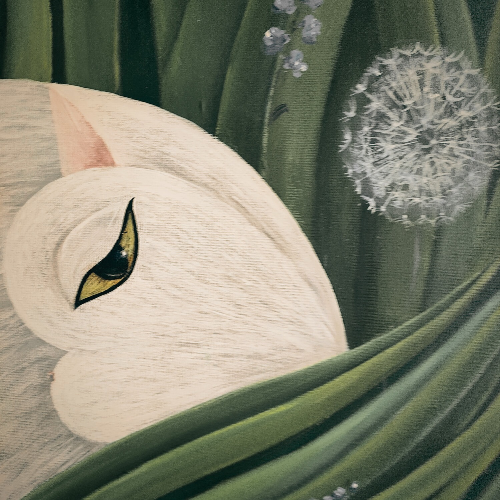
As I sit in my studio in Southend-on-Sea, watching the interplay of light and shadow across my latest acrylic painting, I find myself contemplating a question that has become increasingly relevant in our digital age: What makes human creativity truly unique? As both an artist and a historian, I’ve had the privilege of studying how human expression has evolved through centuries, and today, I’d like to share my thoughts on why human-created art holds an irreplaceable place in our world.
The Symphony of Experience and Expression
Every brushstroke I make carries with it the weight of lived experience. When I create my nature-inspired artwork or pet portraits, I’m not just reproducing images – I’m interpreting the world through a lens crafted by years of walking along Southend’s shoreline, observing the delicate dance of wildflowers in British meadows, and connecting with the personalities of countless pets I’ve portrayed.
This is where human creativity diverges most profoundly from artificial intelligence. While AI can analyze millions of images and generate stunning visuals, it cannot truly experience the emotional resonance of a sunset, the joy in a pet’s eyes, or the melancholic beauty of winter birch trees against a grey sky. Our art is inherently autobiographical, even when we’re not consciously making it so.
The Beautiful Imperfection of Human Creation
There’s something magical about the imperfections in human-made art. In my acrylic paintings, you might find subtle variations in brushstrokes, tiny irregularities in geometric patterns, or unexpected color combinations that emerged from intuitive decision-making. These “imperfections” are not flaws – they are the very essence of human creativity.
Unlike AI, which operates within the parameters of its programming, human creativity thrives on:
1. Emotional Intelligence
– Our ability to interpret and express complex emotions
– The capacity to create art that resonates on a deeply personal level
– The intuitive understanding of what will move another human being
2. Experiential Wisdom
– The integration of personal memories and cultural heritage
– The physical knowledge of how materials behave
– The ability to break rules meaningfully and intentionally
3. Conscious Intent
– The purpose behind each artistic choice
– The ability to infuse work with personal meaning
– The capacity to respond to and engage with our audience
4. Cultural Context
– Understanding and incorporating local influences (like the unique character of Southend-on-Sea)
– Weaving historical knowledge with contemporary perspectives
– Creating art that speaks to specific communities and experiences
The Role of Physical Craft
As someone who works primarily with acrylic paints, I’ve come to deeply appreciate the irreplaceable value of physical craft. The resistance of the brush against canvas, the unexpected ways colors blend, the happy accidents that lead to new techniques – these are experiences that cannot be replicated in a digital space.
Looking Forward
While AI art tools certainly have their place in the creative landscape, they should be viewed as what they are: tools to augment human creativity, not replace it. The future of art lies not in choosing between human and artificial creativity, but in understanding the unique value of human-created work while embracing technological advances that can enhance our creative process.
Reflection for Fellow Artists
As we navigate this evolving landscape, I encourage you to consider:
– What experiences shape your unique artistic voice?
– How does your physical interaction with materials influence your creative process?
– What aspects of your art could never be replicated by AI?
Your art, with all its beautiful imperfections and personal touches, is irreplaceable. It carries within it something no algorithm can duplicate: the essence of human experience.
Next in this series, we’ll explore “The Dance of Hand and Mind: Traditional Art in a Digital World,” where we’ll delve deeper into the physical and mental aspects of creating traditional art in our increasingly digital age.
About the Artist:
Milena Skulimowska is a Polish-British artist based in Southend-on-Sea, specializing in acrylic painting and mixed media. With a PhD in History and five years of professional artistic experience, she creates nature-inspired artwork and pet portraits that blend contemporary style with traditional techniques.
- Behind-the-scenes of Artwork Creation
- History of Art
- Local Art Scene in Southend-on-Sea
- Nature and Cat Art Technics
- Navigating Social Media & AI in Art in 2025
- Seasonal Reflections
- Thoughts on AI Art, Traditional Art, and Creativity
- Uncategorized

 Milena Skulimowska Visual Artist
Leave a comment