
A Vision from My Southend Studio
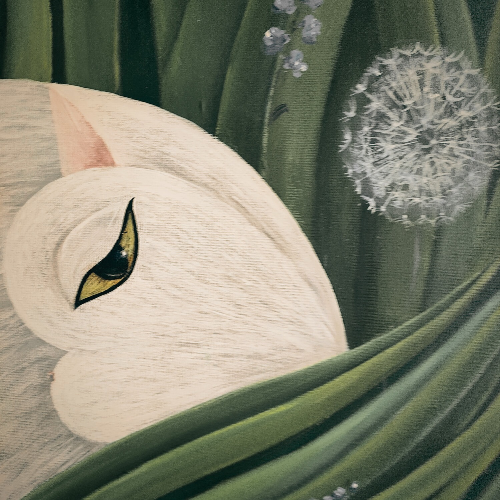
As spring turns to summer and I watch the changing light play across my latest geometric cat portrait, I’m contemplating the future of artistic creation. From my cozy studio in Southend-on-Sea, surrounded by both traditional art supplies and modern technology, I’ve come to understand that the future of creativity isn’t about choosing between human and machine – it’s about centering human experience in an increasingly digital world.
The Evolution of Artistic Expression
Through my journey of creating pet portraits and nature-inspired pieces, I’ve witnessed how art can evolve while maintaining its human core:
– Traditional techniques adapting to modern tools
– Personal expression finding new channels
– Human connection remaining central
– Artistic authenticity growing stronger
The Power of Human-Centered Creation
What makes human creativity irreplaceable in our digital age?
1. Personal Connection
– The ability to capture a pet’s personality in geometric forms
– Understanding the emotional significance of British wildflowers
– Infusing Polish-British heritage into color choices
– Creating art that resonates on a human level
2. Emotional Intelligence
– Reading client’s unspoken wishes
– Translating feelings into visual elements
– Understanding cultural nuances
– Creating emotional resonance
3. Intuitive Innovation
– Breaking geometric patterns meaningfully
– Finding beauty in imperfection
– Creating unexpected combinations
– Following creative instincts
Building Future-Ready Artistic Practice
My approach to maintaining human-centered creativity while embracing the future:
1. Preserving Traditional Foundations
– Hand-mixing colors for perfect shades
– Maintaining physical connection with materials
– Practicing traditional techniques
– Developing tactile understanding
2. Thoughtful Technology Integration
– Using digital tools for planning
– Enhancing presentation quality
– Streamlining business processes
– Expanding reach and connection
3. Community Engagement
– Sharing process videos on TikTok
– Building genuine connections
– Creating behind-the-scenes content
– Fostering artistic dialogue
The Role of Size and Scale
In my practice, I’ve found that different sizes serve different purposes:
– Miniature (12.5×17.5cm): Intimate, personal pieces
– Small (up to 20x30cm): Balanced, versatile works
– Medium (up to 30x40cm): Statement pieces with impact
Each size offers unique opportunities for human expression and connection.
Looking Forward
The future of creativity lies in:
1. Authentic Expression
– Maintaining genuine artistic voice
– Preserving cultural elements
– Celebrating human imperfection
– Creating meaningful connections
2. Adaptive Innovation
– Embracing new possibilities
– Maintaining traditional skills
– Finding creative solutions
– Growing with technology
3. Human Connection
– Building genuine relationships
– Understanding client needs
– Creating emotional resonance
– Fostering artistic community
Practical Applications
In my current practice, this human-centered approach manifests in:
For Pet Portraits:
– Personal consultation for understanding
– Capturing unique personalities
– Incorporating client stories
– Creating meaningful keepsakes
For Nature-Inspired Art:
– Local flora observation
– Cultural element integration
– Seasonal inspiration
– Personal interpretation
Questions for Fellow Artists:
– How do you see human creativity evolving?
– What aspects of your practice will remain uniquely human?
– How do you maintain authenticity while growing?
The Journey Continues
As we conclude this series, remember that the future of creativity isn’t about replacing human elements – it’s about enhancing them. Whether creating miniature paintings or larger pieces, the key lies in maintaining the human touch that makes art meaningful.
- Behind-the-scenes of Artwork Creation
- History of Art
- Local Art Scene in Southend-on-Sea
- Nature and Cat Art Technics
- Navigating Social Media & AI in Art in 2025
- Seasonal Reflections
- Thoughts on AI Art, Traditional Art, and Creativity
- Uncategorized


 Milena Skulimowska Visual Artist
Leave a comment