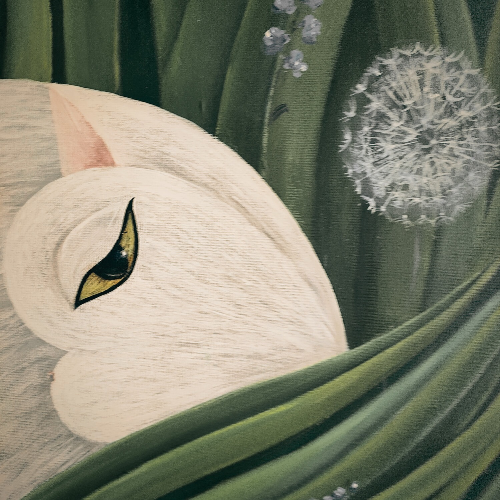

Third article in the “Finding Geometry in Nature” series
As a Polish-British artist working from my Southend-on-Sea studio, I’ve discovered that the changing seasons offer endless inspiration for geometric nature abstractions. In this article, I’ll explore how seasonal transitions influence my artistic approach and how you can create cohesive collections that capture the essence of each season through contemporary geometric interpretation.
The 2025 Seasonal Art Movement
The art world in 2025 is experiencing a significant shift toward seasonal collections and nature-inspired work. Current trends show that collectors are increasingly drawn to:
- Biophilic art that connects indoor spaces with natural rhythms
- Oversized botanical pieces with bold geometric interpretations
- Seasonal color palettes that reflect natural transitions
- Sustainable art practices that honor environmental themes
My Seasonal Collection Approach
Spring: Renewal and Growth
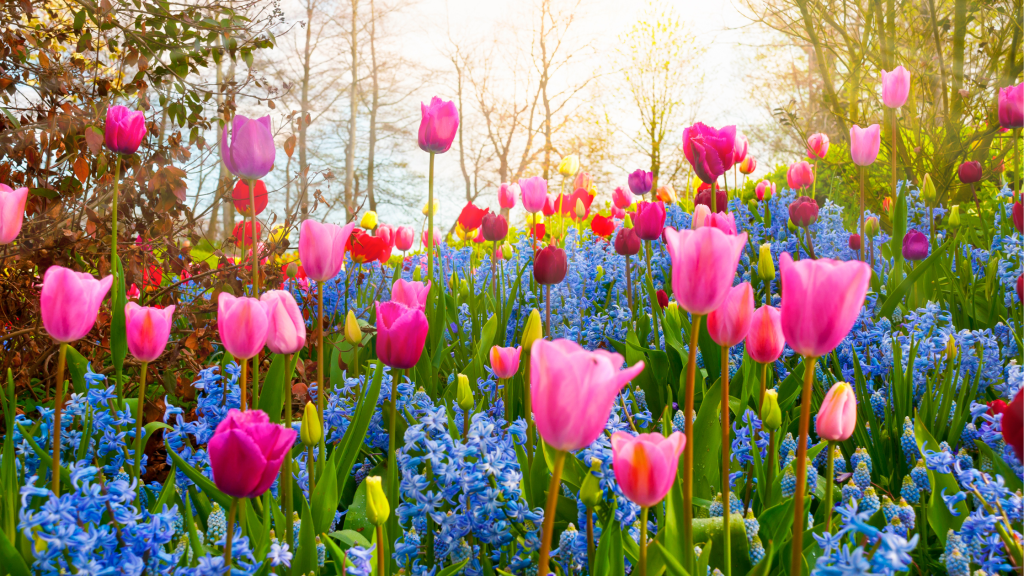
My Spring 2025 collection focuses on emergence and new beginnings:
Key Elements:
- Dandelions: Both bloom and seed head stages, representing transformation
- Forget-me-nots: Delicate blue geometric patterns against soft backgrounds
- Color Palette: Powder blues, soft corals, fresh greens, and cream whites
- Geometric Interpretation: Circular forms with radiating patterns, pentagon flower structures
Featured Pieces:
- “White Cat with Dandelions and Blue Forget-Me-Nots” – combining geometric animal forms with botanical abstractions
- “Black Cat with Mixed Dandelions” – showcasing both bloom and seed stages in high contrast
Summer: Abundance and Vibrancy
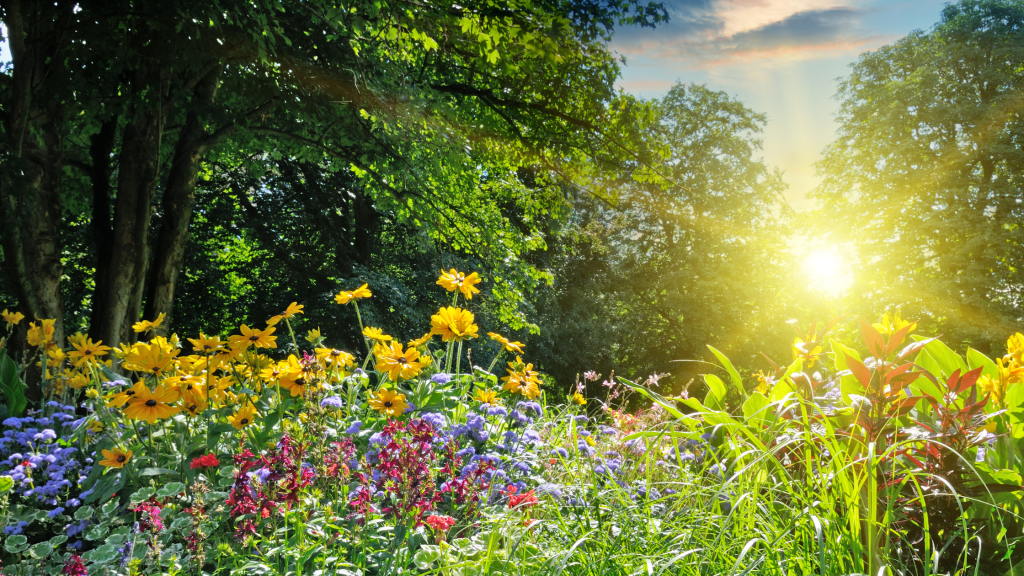
Summer collections embrace bold colours and dynamic compositions:
Key Elements:
- Sunflowers: Large circular forms with geometric petal arrangements
- Poppies: Bold red geometric shapes against flowing backgrounds
- Color Palette: Vibrant oranges, deep reds, golden yellows, turquoise accents
- Geometric Interpretation: Strong vertical compositions, angular leaf patterns
Featured Pieces:
- “Orange Cat with Sunflowers” – vertical format with bold geometric contrasts
- “Black Cat with Red Poppies” – geometric grass patterns with flowing poppy forms
Autumn: Transformation and Richness
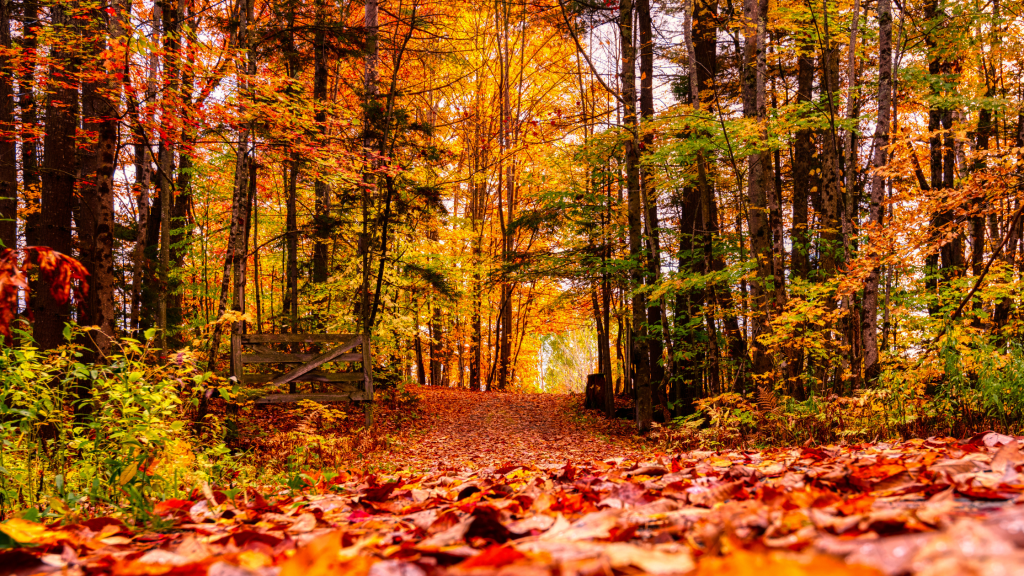
Autumn work explores deeper, more complex color relationships:
Key Elements:
- Alliums: Purple spherical forms with geometric precision
- Turning leaves: Angular interpretations of seasonal change
- Color Palette: Deep purples, golden browns, rich turquoise, warm oranges
- Geometric Interpretation: Layered compositions with complex pattern work
Winter: Simplicity and Structure

Winter pieces focus on essential forms and stark contrasts:
Key Elements:
- Birch trees: Clean vertical lines with geometric bark patterns
- Dried grasses: Angular interpretations of winter textures
- Color Palette: Monochromatic schemes with golden accents
- Geometric Interpretation: Minimalist compositions emphasizing negative space
Creating Cohesive Seasonal Collections
1. Establish Visual Consistency
- Maintain signature geometric style across all seasons
- Use consistent compositional approaches while varying subject matter
- Apply similar scale relationships between elements
2. Develop Seasonal Color Stories
- Spring: Soft, emerging colors with high contrast accents
- Summer: Bold, saturated palettes with complementary relationships
- Autumn: Rich, complex color harmonies
- Winter: Simplified palettes with dramatic contrasts
3. Consider Market Timing
- Release seasonal collections 6-8 weeks before peak season
- Create versatile pieces that work year-round
- Develop both statement pieces and smaller works for different market segments
Technical Considerations for Seasonal Work
Color Theory Application
- Understanding seasonal psychology: How colors affect mood throughout the year
- Creating seasonal variations of successful compositions
- Balancing trendy seasonal colors with timeless appeal
Compositional Strategies
- Vertical formats for growth-oriented spring and summer pieces
- Horizontal formats for contemplative autumn and winter works
- Square formats for balanced, year-round appeal
Contemporary Context: 2025 Trends
The current art market shows strong demand for:
- Nature-inspired wall art with geometric interpretations
- Seasonal collections that allow collectors to rotate artwork
- Sustainable themes that connect with environmental consciousness
- Biophilic design elements that bring nature indoors
Building Your Seasonal Practice
Planning Your Year
- January-March: Develop spring concepts and color palettes
- April-June: Create summer collections with bold, vibrant themes
- July-September: Focus on autumn’s complex color relationships
- October-December: Explore winter’s minimalist aesthetic
Marketing Seasonal Collections
- Social media timing: Share seasonal content 4-6 weeks before season peaks
- Email marketing: Create seasonal newsletters highlighting new collections
- Product photography: Show seasonal pieces in appropriate settings
Looking Forward
As we progress through 2025, seasonal art collections continue to resonate with collectors seeking to connect their living spaces with natural rhythms. The next article in our series will explore color theory in depth, examining how to create compelling palettes that capture seasonal essence while maintaining contemporary appeal.
What seasonal elements in your local environment inspire your creative work? The key is finding the geometric patterns hidden within nature’s seasonal transformations.
- Behind-the-scenes of Artwork Creation
- History of Art
- Local Art Scene in Southend-on-Sea
- Nature and Cat Art Technics
- Navigating Social Media & AI in Art in 2025
- Seasonal Reflections
- Thoughts on AI Art, Traditional Art, and Creativity
- Uncategorized




 Milena Skulimowska Visual Artist
Leave a comment