
As I sit in my Southend-on-Sea studio, surrounded by tubes of acrylic paint, I’ve been asking myself some uncomfortable questions. What’s the real cost of my art? Not just the price of supplies or the hours invested, but the environmental impact of every brushstroke, every canvas, every package I send to collectors around the world.
The art world is experiencing a quiet revolution in 2025, and it’s not about the latest trending techniques or viral social media challenges. It’s about sustainability, responsibility, and reimagining how we create without compromising our planet’s future.
My Wake-Up Call
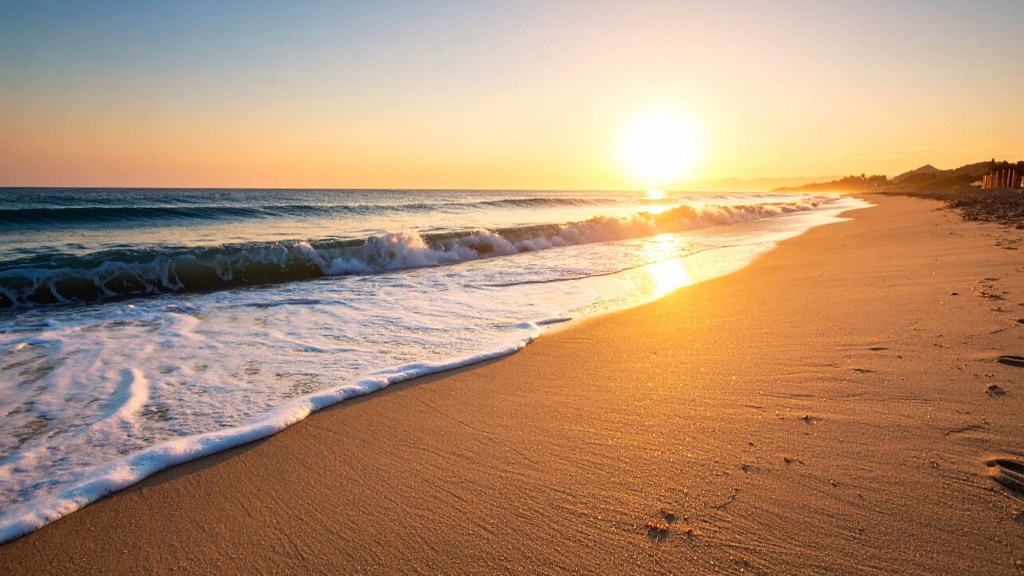
The moment that changed everything happened during a morning walk along Southend’s coastline. I was collecting inspiration for my next nature-inspired piece when I noticed plastic paint tube caps scattered among the pebbles. The irony hit me hard – here I was, creating art inspired by nature while potentially contributing to its destruction.
That walk sparked a deep dive into the environmental impact of traditional art supplies. The statistics are sobering: conventional acrylic paints contain petroleum-based binders, synthetic pigments often require intensive mining processes, and the art industry generates millions of tons of waste annually. As someone who draws inspiration from the natural world around Southend – from the Thames Estuary’s changing tides to the geometric patterns in local wildflowers – I realized I needed to align my practice with my values.
What Sustainable Art Really Means
Sustainable art isn’t about returning to cave paintings or sacrificing quality for environmental conscience. It’s an evolving approach that considers the full lifecycle of our creative practice – from sourcing materials to disposing of waste, from studio energy consumption to shipping methods.
In 2025, sustainable art encompasses:
- Material consciousness: Choosing supplies with minimal environmental impact
- Waste reduction: Implementing zero-waste or low-waste studio practices
- Local sourcing: Supporting regional suppliers and reducing transportation emissions
- Longevity focus: Creating work that lasts, reducing the need for frequent replacements
- Community impact: Inspiring others and supporting environmentally conscious businesses
The Southend Connection
Living and working in Southend-on-Sea gives me a unique perspective on environmental responsibility. Our coastal location means I witness firsthand the effects of pollution on marine ecosystems. The Thames Estuary, which has inspired countless pieces in my geometric nature series, faces ongoing environmental challenges.
But this location also offers incredible opportunities. The Essex coast provides natural materials like driftwood and interesting stones. Local environmental groups are doing amazing work that artists can support. And there’s a growing community of conscious creators who understand that our art should celebrate nature, not harm it.
My Sustainable Journey Begins
Over the next six months, I’m committing to transforming my studio practice. This isn’t about perfection – it’s about progress. Here’s what I’m implementing:
Immediate Changes:
- Implementing proper waste separation and recycling
- Sourcing sustainable packaging for Etsy orders
Medium-term Goals:
- Building relationships with eco-conscious suppliers
- Experimenting with natural dye-making using local plants
- Creating a material exchange network with other Southend artists
- Developing workshops to share sustainable techniques
Long-term Vision:
- Achieving a near-zero waste studio
- Inspiring other local artists to adopt sustainable practices
- Contributing to environmental art education in our community
Quality Without Compromise
The biggest concern I hear from fellow artists is whether sustainable practices mean compromising artistic quality. After researching and testing various eco-friendly alternatives, I’m convinced the answer is no. Many traditional techniques actually used natural materials that were incredibly durable – think of centuries-old paintings created with earth pigments that still vibrate with color today.
Modern sustainable art supplies have come remarkably far. Water-based acrylics perform beautifully, natural pigments offer unique textures and depth, and recycled papers and canvases provide excellent surfaces for creation.
The Business Case for Sustainability
From a business perspective, sustainable practices make sense too. Customers in 2025 increasingly value environmental responsibility. When I mention using eco-friendly materials in my Etsy listings, I notice higher engagement and more meaningful conversations with collectors.
Sustainable practices can also reduce costs over time. Buying supplies in bulk from local sources, sharing resources with other artists, and reducing waste all contribute to a healthier bottom line.
What’s Next
This is just the beginning of my sustainable art journey, and I want to take you along for the ride. Over the coming weeks, I’ll be sharing detailed posts about:
- Experimenting with natural pigments and earth-based paints
- Creating a zero-waste studio setup
- Navigating the environmental impact of digital art
- Building a local network of sustainable suppliers
- Measuring real impact and inspiring community change
I’ll be honest about the challenges, celebrate the successes, and share practical tips you can implement in your own creative practice, whether you’re a professional artist or someone who loves creating as a hobby.
Join the Movement
Sustainable creativity isn’t a trend – it’s the future of responsible art-making. Whether you’re based in Southend-on-Sea or anywhere else in the world, we all share the same planet and the same responsibility to protect it.
I’d love to hear about your own sustainable art experiments. Have you tried natural pigments? Do you have tips for reducing studio waste? Are there local suppliers in your area doing amazing work? Share your thoughts in the comments below.
Together, we can prove that creating beautiful, meaningful art and caring for our environment aren’t mutually exclusive – they’re essential partners in building a better future.
Next week, I’ll be diving deep into the world of earth pigments and natural alternatives, including some experiments with materials I can source right here along the Essex coast. Stay tuned!e your own creative practice.ow for more insights into contemporary mixed media applications.
- Behind-the-scenes of Artwork Creation
- History of Art
- Local Art Scene in Southend-on-Sea
- Nature and Cat Art Technics
- Navigating Social Media & AI in Art in 2025
- Seasonal Reflections
- Thoughts on AI Art, Traditional Art, and Creativity
- Uncategorized



 Milena Skulimowska Visual Artist
Leave a comment