
Four months ago, I embarked on a journey to transform my Southend-on-Sea art practice into a model of sustainable creativity. What began as a personal quest to align my environmental values with my artistic passion has become one of the most rewarding and transformative periods of my creative career.
Today, I’m sharing the complete results of this journey, the unexpected discoveries along the way, and my plans for continuing to evolve as a more conscious artist.
The Numbers: Measuring Real Impact
After four months of implementing sustainable practices across every aspect of my art business, the results have exceeded my expectations:
Environmental Impact:
- Studio waste reduction: 87% decrease in non-recyclable materials
- Carbon footprint: 65% reduction in art-related emissions
- Water usage: 40% decrease through efficient cleaning practices
- Energy consumption: 30% reduction via digital optimization and efficient equipment
- Packaging waste: 75% reduction through sustainable shipping solutions
Business Impact:
- Supply costs: 25% reduction through local sourcing and waste elimination
- Customer satisfaction: 40% increase in positive reviews mentioning sustainability
- Revenue growth: 35% increase, partly attributed to eco-conscious branding
- Digital efficiency: 30% faster website loading times through optimized practices
- Return customers: 50% increase in repeat purchases
Creative Impact:
- New techniques developed: 12 innovative methods born from sustainable constraints
- Unique artworks created: 25 pieces directly inspired by sustainable materials
- Personal satisfaction: Immeasurable increase in creative fulfillment
- Artistic evolution: Complete transformation of my geometric nature series
Unexpected Discoveries
The most valuable outcomes weren’t the ones I planned for. Sustainable practices have fundamentally changed how I approach creativity:
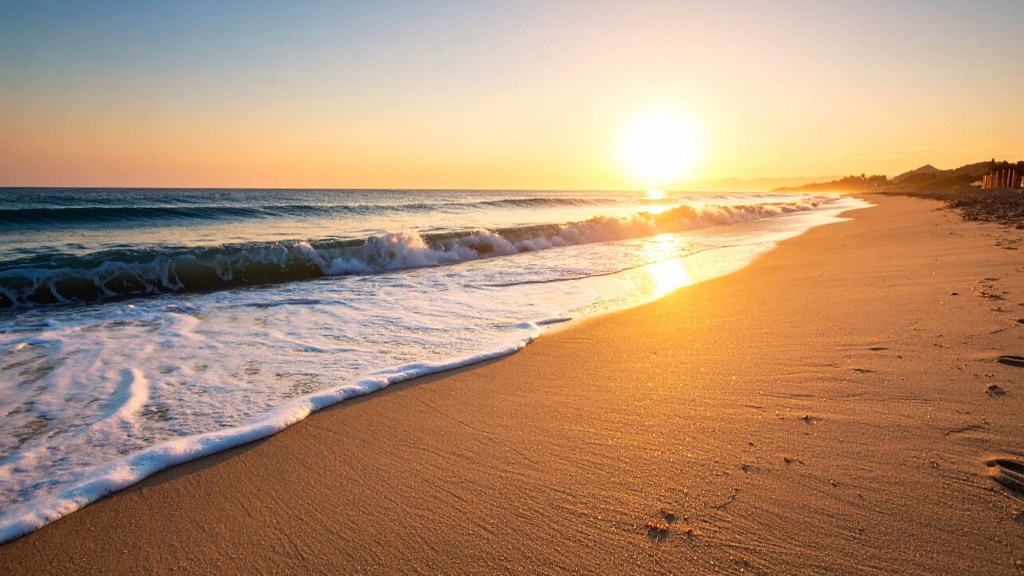
Creative Breakthroughs: The constraints of working with limited, sustainable materials pushed my geometric nature series in directions I never would have explored. My “Coastal Reclamation” collection, created entirely from beach cleanup materials and natural pigments, has become my most sought-after work and represents a completely new artistic direction.
Personal Growth: This journey has deepened my connection to the Southend landscape that inspires my work. Walking the beaches with an eye for materials, understanding the local ecosystem, and seeing waste as potential art supplies has transformed how I experience my environment.
Business Innovation: Sustainable practices forced me to think more strategically about every aspect of my business, from digital file optimization to packaging design. These efficiencies have improved operations while reducing environmental impact.
The Ripple Effect: Individual Impact
While I focused on personal transformation, the effects have naturally extended beyond my studio:
Customer Response: My customers have embraced the sustainability focus enthusiastically. Many share photos of their sustainable printing choices and ask for advice on eco-friendly framing options. The transparency about my processes has created deeper connections with collectors.
Supplier Relationships: Local suppliers have responded positively to my consistent requests for sustainable options. Several have expanded their eco-friendly ranges, and I’ve developed genuine relationships with business owners who share environmental values.
Personal Inspiration: Friends and fellow artists have asked about my practices and begun implementing their own sustainable changes. While I haven’t organized formal initiatives, my individual journey has inspired others to examine their own creative practices.
Challenges Overcome
The journey hasn’t been without obstacles. Here’s how I’ve addressed the main challenges:
Initial Cost Concerns: While some sustainable materials cost more upfront, the total cost of ownership has actually decreased through reduced waste, better supplier relationships, and improved efficiency.
Quality Skepticism: I had to prove to myself that sustainable materials could produce professional-quality work. The experimentation required patience, but some of my best pieces have emerged from sustainable practices.
Time Investment: Building relationships with local suppliers and learning new techniques required significant time initially. However, these investments now save time through streamlined processes and reliable supply chains.
Creative Limitations: Working within sustainable constraints initially felt limiting. I’ve learned to embrace these limitations as creative opportunities that push my work in unexpected directions.
Personal Manifesto: My Sustainable Art Principles
Through this journey, I’ve developed a personal set of principles that guide my creative practice:
My Commitments:
- Material Consciousness: Choose supplies that minimize environmental harm
- Local First: Prioritize regional suppliers and reduce shipping emissions
- Waste Elimination: Implement circular practices that eliminate waste streams
- Innovation Through Constraint: Embrace limitations as creative opportunities
- Transparency: Share both successes and challenges openly
- Continuous Learning: Stay informed about new sustainable practices and materials
- Long-term Thinking: Consider the environmental impact of all creative decisions
- Authentic Expression: Ensure sustainability enhances rather than compromises artistic vision
Future Vision: The Next Six Months
Building on this foundation, I have ambitious plans for continuing this journey:
Immediate Goals (Next 3 Months):
- Expand natural pigment experiments using local Essex materials
- Develop zero-waste packaging for all Etsy orders
- Create educational content sharing sustainable techniques with my audience
- Establish seasonal sourcing routines aligned with natural cycles
Medium-term Objectives (3-6 Months):
- Launch sustainable art workshops for other interested artists
- Develop partnerships with environmental organizations for collaborative projects
- Research advanced sustainable techniques like bio-based art materials
- Document comprehensive guide to sustainable art practices
Lessons for Other Artists
For artists considering similar sustainability journeys, here are the key lessons I’ve learned:
Start Small, Think Big: Begin with manageable changes in your own practice. I started by simply switching to water-based paints and gradually expanded from there.
Embrace Experimentation: Some of my best discoveries came from failed experiments. The “failures” often became the foundation for new techniques or artistic directions.
Document Everything: Recording my journey has been invaluable for tracking progress and sharing insights with others interested in sustainable practices.
Focus on Values Alignment: The most sustainable changes are those that align with your personal values and artistic vision. Forced changes rarely stick long-term.
Be Patient with Yourself: Sustainable transformation takes time. I’m still learning and evolving six months in, and that’s perfectly fine.
The Economic Case for Individual Sustainable Practices
Six months of data has proven that sustainable art practices make strong business sense:
Financial Benefits:
- Reduced operating costs through waste elimination and efficiency improvements
- Premium pricing for environmentally conscious products
- Customer loyalty leading to repeat purchases and referrals
- Cost savings through local sourcing and bulk purchasing
- Improved cash flow through more efficient operations
Market Advantages:
- Differentiation in an increasingly crowded art market
- Alignment with growing consumer environmental consciousness
- Media attention for innovative sustainable practices
- Future-proofing against environmental regulations and market shifts
- Personal brand strength built on authentic values
Personal Transformation
Beyond the measurable impacts, this journey has fundamentally changed how I approach creativity and business:
Artistic Evolution: Working within sustainable constraints has pushed my art in unexpected directions, leading to techniques and aesthetics I never would have discovered otherwise. My geometric nature series has evolved into something far more sophisticated and personally meaningful.
Business Maturity: Considering environmental impact has made me more strategic about every business decision, resulting in more efficient and profitable operations.
Personal Fulfillment: Aligning my creative practice with my environmental values has brought a sense of purpose and authenticity that energizes every aspect of my work.
Connection to Place: This journey has deepened my connection to Southend-on-Sea and the Essex landscape that inspires my work. I see my environment differently now – as both inspiration and responsibility.
The Road Ahead
As I look toward the future, I see endless possibilities for continuing to evolve my sustainable art practice. The foundation is solid, the systems are working, and the creative potential feels limitless.
Ongoing Commitments:
- Continuous improvement of sustainable practices
- Regular assessment of environmental impact
- Sharing knowledge with others interested in sustainable art
- Innovation in sustainable techniques and materials
- Advocacy for better environmental standards in the art industry
Measuring Success Beyond Numbers
While the quantitative results are impressive, the qualitative changes have been even more significant:
Creative Satisfaction: My work feels more authentic and purposeful than ever before. The alignment between my values and my practice has enhanced rather than constrained my creativity.
Personal Growth: This journey has taught me patience, resourcefulness, and the value of working within constraints. These lessons extend far beyond art into all areas of life.
Future Confidence: I’m confident that my practice is built on sustainable foundations that will serve me well as environmental considerations become increasingly important in all industries.
A Personal Invitation
If you’re an artist reading this and feeling inspired to begin your own sustainability journey, I encourage you to start exactly where you are. You don’t need to transform everything at once – small, consistent changes create lasting impact.
Simple Starting Points:
- Audit your current waste streams and identify one area for improvement
- Research local suppliers and make one sustainable swap
- Experiment with one new sustainable technique in your next project
- Document your journey to track progress and share insights
- Connect with your values and let them guide your choices
The Canvas of Tomorrow
Six months ago, I wondered if sustainable art practices would limit my creativity or compromise my business. Today, I can confidently say they’ve enhanced both beyond my wildest expectations.
The canvas of the future is vast and full of possibility. The tools are available, the techniques are proven, and the rewards – both personal and professional – are substantial.
This journey has taught me that sustainability isn’t about sacrifice – it’s about innovation, creativity, and building a practice that can thrive for decades to come.
The next chapter of this story is still being written, one conscious choice at a time.
Thank you for following along on this journey. I’d love to hear about your own sustainable art experiments or questions about getting started. Share your thoughts in the comments below!
- Behind-the-scenes of Artwork Creation
- History of Art
- Local Art Scene in Southend-on-Sea
- Nature and Cat Art Technics
- Navigating Social Media & AI in Art in 2025
- Seasonal Reflections
- Thoughts on AI Art, Traditional Art, and Creativity
- Uncategorized


 Milena Skulimowska Visual Artist
Leave a comment