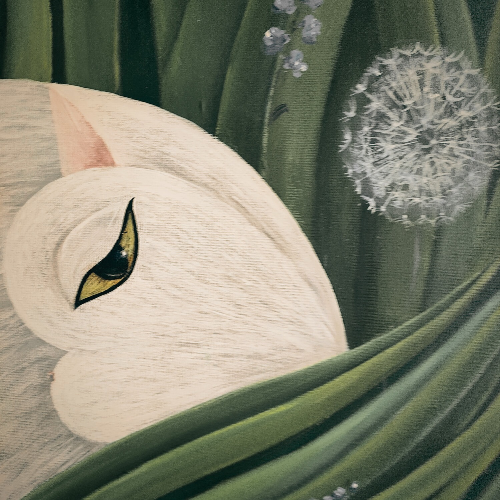
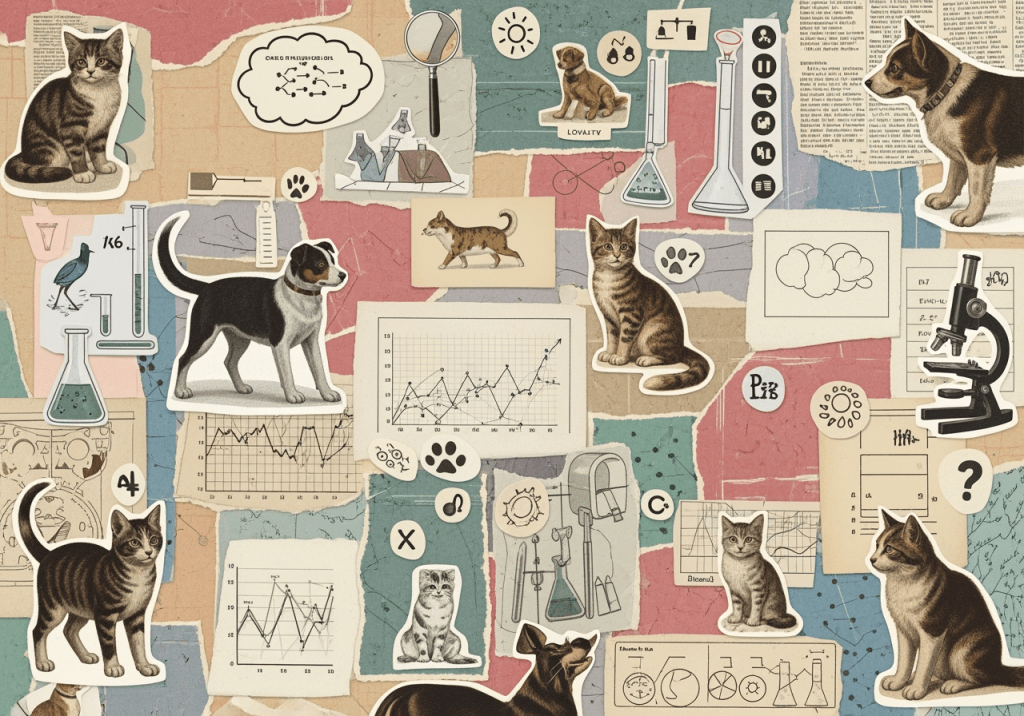
Three weeks ago, I received a commission request that perfectly illustrates today’s topic. The client described their cat, Luna, as “mysterious but affectionate, independent but loyal, graceful but occasionally clumsy.” As I studied Luna’s photos, I realized that capturing her personality would require more than technical skill – it would demand an understanding of animal psychology and the visual language of character.
After five years of creating pet portraits in Southend-on-Sea, I’ve learned that every animal has a distinct personality that can be translated into artistic elements. Today, I’m sharing the science behind animal personality traits and how to read and represent your pet’s unique character in art.
The Science of Animal Personality
Recent research in comparative psychology has revolutionized our understanding of animal personalities. Dr. Samuel Gosling’s groundbreaking work on animal personality dimensions shows that pets, like humans, display consistent behavioral patterns that constitute genuine personality traits.
The Big Five for Pets:
- Extraversion: Social engagement, playfulness, and energy levels
- Agreeableness: Friendliness, cooperation, and gentleness
- Conscientiousness: Trainability, predictability, and self-control
- Neuroticism: Anxiety levels, fearfulness, and emotional stability
- Openness: Curiosity, adaptability, and intelligence
Understanding these dimensions helps me identify the core personality traits that should be emphasized in a portrait. Luna, for example, scored high on openness (curious and intelligent) and moderate on extraversion (selectively social), which guided my artistic choices.
Visual Cues That Reveal Character
Animals communicate their personalities through consistent visual and behavioral cues. Learning to read these signals is essential for creating authentic personality-driven portraits.
Facial Expression Indicators:
- Eye contact patterns: Direct gaze suggests confidence; averted eyes may indicate shyness or independence
- Ear positioning: Forward ears show alertness and engagement; relaxed ears suggest contentment
- Mouth and jaw: Relaxed features indicate calm personality; tense jaw might suggest anxiety or determination
- Overall facial tension: Soft features suggest gentle nature; defined features may indicate strong will
Body Language Signals:
- Posture: Upright stance shows confidence; lowered body suggests submission or caution
- Tail position: High tail indicates confidence; low tail suggests uncertainty or calm contentment
- Movement patterns: Fluid movement suggests grace; bouncy movement indicates playfulness
- Space usage: How pets position themselves in their environment reveals comfort levels and social preferences
The Southend Pet Personality Study
Living in a coastal community has given me unique insights into how environment shapes pet personalities. I’ve observed distinct patterns in Southend pets that reflect our seaside lifestyle:
Beach Dogs: Tend to be more adventurous, confident, and socially engaged Indoor Cats: Often display heightened curiosity and independence, possibly due to watching coastal wildlife Weather-Sensitive Pets: Show distinct personality changes with our changeable coastal weather Community Pets: Display enhanced social skills from regular interaction with neighbors and visitors
These environmental influences become part of the personality story I tell through art.
Translating Personality into Visual Elements
The magic happens when psychological insights meet artistic technique. Each personality trait corresponds to specific visual elements that can be emphasized or subdued in a portrait.
Confident Personalities:
- Bold geometric shapes and strong lines
- Vibrant, saturated colors that command attention
- Central positioning in the composition
- Direct eye contact with the viewer
- Upright, prominent posture
Gentle Personalities:
- Soft, flowing curves and rounded shapes
- Muted, harmonious color palettes
- Peaceful, relaxed positioning
- Soft lighting effects and gentle transitions
- Comfortable, natural poses
Playful Personalities:
- Dynamic, energetic lines and movement
- Bright, cheerful color combinations
- Asymmetrical compositions suggesting motion
- Expressive, animated features
- Interactive or action-oriented poses
Independent Personalities:
- Clean, minimalist compositions
- Sophisticated color schemes
- Thoughtful, contemplative poses
- Elegant, refined line work
- Strategic use of negative space
My Geometric Approach to Personality
My signature geometric style offers unique advantages for personality representation. Unlike photorealistic approaches, geometric elements can amplify and clarify personality traits.
Geometric Personality Translation:
- Angular shapes for strong, determined personalities
- Curved forms for gentle, affectionate natures
- Complex patterns for intelligent, curious pets
- Simple, bold forms for straightforward, honest personalities
- Flowing, organic geometry for graceful, elegant animals
For Luna’s portrait, I used flowing geometric curves to represent her grace, combined with intricate patterns to reflect her intelligence, and positioned her in a way that suggested both independence and approachability.
The Client Consultation Process
Understanding pet personality requires collaboration with the owner. I’ve developed a systematic approach to personality assessment that ensures accurate artistic representation.
My Personality Assessment Questions:
- Energy Level: Is your pet high-energy, moderate, or calm?
- Social Preferences: Do they seek attention or prefer independence?
- Emotional Patterns: Are they anxious, confident, or variable?
- Play Style: How do they interact with toys, games, or activities?
- Comfort Zones: Where and when is your pet most relaxed?
- Unique Quirks: What behaviors make your pet distinctly themselves?
- Relationship Dynamics: How do they interact with family members differently?
Observational Techniques:
- Photo analysis: Studying multiple images to identify consistent expressions and poses
- Behavior stories: Listening to client anecdotes that reveal personality patterns
- Environmental context: Understanding how the pet behaves in different settings
- Emotional responses: Noting what makes the pet happy, excited, or calm
Case Study: Personality in Practice
Let me walk you through how I translated personality insights into artistic choices for three recent commissions:
Buster – The Confident Golden Retriever:
- Personality traits: Outgoing, friendly, confident, protective
- Visual translation: Bold, warm colors; strong, upright posture; direct eye contact; prominent positioning
- Geometric elements: Strong triangular forms suggesting stability and strength
- Color palette: Rich golds and warm oranges reflecting his sunny disposition
Whiskers – The Contemplative Persian Cat:
- Personality traits: Intelligent, independent, observant, dignified
- Visual translation: Sophisticated color scheme; thoughtful pose; elegant lines; strategic negative space
- Geometric elements: Refined curves and precise patterns suggesting intelligence
- Color palette: Cool blues and silvers reflecting his calm, thoughtful nature
Ziggy – The Playful Jack Russell:
- Personality traits: Energetic, mischievous, affectionate, unpredictable
- Visual translation: Dynamic composition; bright, cheerful colors; animated expression; suggestion of movement
- Geometric elements: Energetic zigzag patterns and bouncing shapes
- Color palette: Vibrant primary colors reflecting his boundless energy
Working with Challenging Personalities
Some pets present unique challenges for personality capture:
Shy or Anxious Pets:
- Focus on moments of comfort and security
- Use gentle, reassuring visual elements
- Emphasize safe spaces and protective postures
- Choose calming color palettes
Highly Active Pets:
- Capture the essence of movement even in static poses
- Use dynamic compositional elements
- Emphasize the joy and energy they bring
- Consider action-oriented positioning
Senior Pets:
- Honor their dignity and wisdom
- Focus on the depth of their character
- Use sophisticated, respectful visual approaches
- Celebrate their unique life experience
Rescue Pets with Unknown Histories:
- Work closely with current owners to understand present personality
- Focus on resilience and new beginnings
- Emphasize the positive aspects of their current life
- Create hopeful, forward-looking compositions
The Psychology of Accurate Representation
When personality is accurately captured in art, powerful psychological effects occur for both pet and owner:
For Pet Owners:
- Validation: Seeing their pet’s personality recognized and celebrated
- Connection: Feeling understood in their relationship with their pet
- Pride: Having their pet’s unique qualities honored through art
- Memory preservation: Capturing not just appearance but essence
For the Human-Animal Bond:
- Relationship strengthening: Art that reflects true personality deepens emotional connection
- Communication enhancement: Visual representation can help owners articulate what makes their pet special
- Legacy creation: Personality-driven portraits become meaningful family heirlooms
- Therapeutic value: Accurate representation provides comfort and joy
Practical Tips for Pet Owners
If you’re considering commissioning a pet portrait, here’s how to help your artist capture your pet’s personality:
Before the Commission:
- Observe your pet in different situations and moods
- Take photos that show various aspects of their personality
- Note specific behaviors that make your pet unique
- Consider what personality traits matter most to you
During Consultation:
- Share specific stories that illustrate personality traits
- Discuss your pet’s favorite activities and environments
- Mention any unique quirks or endearing habits
- Explain what you love most about your pet’s character
Photo Selection:
- Choose images that show your pet’s typical expressions
- Include photos from different angles and situations
- Avoid photos where your pet looks uncomfortable or stressed
- Select images that capture the essence you want preserved
The Art of Seeing Beyond Appearance
Creating personality-driven pet portraits requires looking beyond surface appearance to understand the deeper character of each animal. It’s about recognizing that every pet has a unique story, a distinct way of moving through the world, and specific qualities that make them irreplaceable.
When I painted Luna, I wasn’t just creating a likeness – I was honoring her mysterious intelligence, her selective affection, and her graceful independence. The geometric patterns I chose reflected her complex personality, while the color palette captured her serene but alert nature.
The Emotional Impact of Personality Accuracy
The most rewarding aspect of personality-focused pet portraiture is witnessing the emotional response when owners see their pet’s true character reflected in art. There’s a moment of recognition – “Yes, that’s exactly who they are!” – that validates both the artistic process and the deep understanding between pet and owner.
This recognition creates art that transcends decoration to become a meaningful representation of a cherished relationship. It’s not just a picture of a pet; it’s a celebration of personality, character, and the unique bond between human and animal.
Next week, I’ll explore how color psychology influences our emotional response to pet portraits, and how strategic palette choices can enhance the personality traits we’ve learned to identify and represent.
- Behind-the-scenes of Artwork Creation
- History of Art
- Local Art Scene in Southend-on-Sea
- Nature and Cat Art Technics
- Navigating Social Media & AI in Art in 2025
- Seasonal Reflections
- Thoughts on AI Art, Traditional Art, and Creativity
- Uncategorized


 Milena Skulimowska Visual Artist
Leave a comment