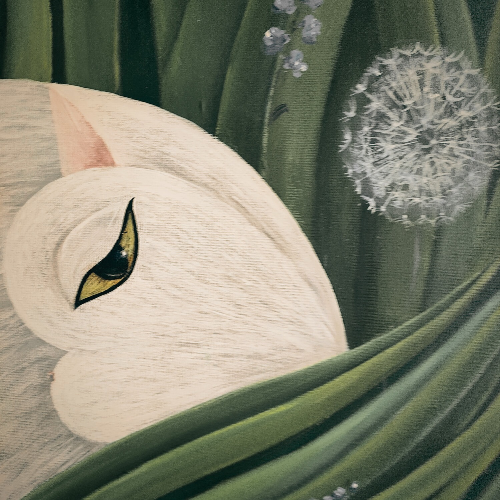

Three months ago, I received a commission request that changed how I approach memorial pet portraits forever. Sarah from Southend contacted me about creating a portrait of her beloved tabby cat, Lucy, who had passed away peacefully at age 12. Through tears, she explained that she wasn’t ready to say goodbye and hoped that art might help her process her grief whilst celebrating Lucy’s extraordinary life.
Creating Lucy’s memorial portrait became one of the most meaningful projects of my career. Today, I’m exploring the sensitive topic of memorial pet portraits and how art can support the grief process whilst honouring the lasting impact of our beloved feline companions.
The Psychology of Cat Loss
Losing a beloved cat triggers genuine grief that parallels human bereavement. The unique nature of human-cat relationships creates specific grief patterns that differ from other pet losses.
Unique Aspects of Cat Grief:
- Silent companionship loss: Cats provide quiet, comforting presence
- Routine disruption: Morning purrs, evening lap sessions, feeding schedules
- Independence paradox: Grieving both their self-sufficiency and dependence on us
- Subtle affection: Missing gentle head bumps, slow blinks, and chosen moments of closeness
- Territorial connection: Cats claim spaces that feel empty after their passing
Stages of Cat Loss Grief:
- Denial: Expecting to see them in favourite sleeping spots
- Anger: Frustration with the seeming unfairness of shorter lifespans
- Bargaining: “If only I had noticed the signs earlier”
- Depression: Deep sadness at the loss of their unique personality
- Acceptance: Gradual peace whilst maintaining loving memories
Understanding these psychological realities helps me approach memorial cat portrait commissions with appropriate sensitivity and timing.
Art Therapy and Feline Grief Processing
Art therapy research shows that creative expression can significantly support grief processing. For cat owners, visual art often captures the subtle, nuanced relationship that words struggle to express.
How Cat Portrait Art Supports Grief:
- Personality preservation: Captures the unique character that made each cat special
- Quiet companionship: Creates ongoing visual presence in the home
- Memory celebration: Focuses on favourite moments and endearing habits
- Relationship validation: Acknowledges the depth of the human-cat bond
- Healing ritual: The commissioning process becomes therapeutic
Dr. Barbara Ganim’s research on visual journaling shows that creating or commissioning meaningful cat imagery can accelerate healthy grief processing whilst reducing symptoms of complicated grief.
The Timing of Memorial Cat Commissions
One of the most delicate aspects of memorial cat portraiture is timing. Cats often live 12-20 years, creating deep, long-term bonds that require careful consideration when commissioning memorial art.
Optimal Timing Indicators:
- Emotional readiness: Client can discuss their cat without becoming overwhelmed
- Memory clarity: Ability to share specific personality traits and favourite behaviours
- Support system: Has friends or family who understand the commission decision
- Practical stability: Not dealing with multiple major life stressors simultaneously
- Positive motivation: Wants to honour their cat rather than avoid grief
Warning Signs for Delayed Commission:
- Raw emotional state: Unable to discuss cat without severe distress
- Guilt and regret: Focused primarily on circumstances of death or missed signs
- Isolation: Withdrawn from normal activities and relationships
- Decision pressure: Feeling rushed by well-meaning friends or family
I always encourage clients to take time and only proceed when it feels right for them personally.
My Approach to Memorial Cat Consultations
Creating memorial cat portraits requires a different consultation approach than celebration commissions. The goal is to honour the cat’s unique personality whilst supporting the owner’s emotional needs.
Memorial Cat Consultation Process:
- Gentle introduction: Allow client to share their cat’s story at their own pace
- Personality celebration: Focus on quirks, habits, and endearing behaviours
- Emotional check-ins: Monitor client’s emotional state throughout discussion
- Flexible timeline: No pressure for quick decisions or rushed completion
- Ongoing support: Available for questions or concerns throughout the process
Key Questions for Memorial Cat Portraits:
- “What made [cat’s name] uniquely special to you?”
- “What was their favourite spot in the house?”
- “How did they show affection in their own way?”
- “What personality traits do you want emphasised?”
- “What emotions do you hope to feel when you look at the finished portrait?”
Colour Psychology in Memorial Cat Art
The colour choices for memorial cat portraits require special consideration. Cats often have sophisticated colour personalities that should be reflected thoughtfully in memorial artwork.
Healing Colour Approaches for Cats:
- Gentle, muted versions of the cat’s natural coat colours
- Soft transitions rather than harsh contrasts
- Comforting earth tones that suggest peace and rest
- Touches of warmth that celebrate their loving nature
- Personal colour meanings that honour specific memories
Colours to Approach Carefully:
- Stark black and white: Can feel too final or harsh
- Overly vibrant colours: Might feel inappropriate during early grief
- Cold, sterile palettes: May feel emotionally distant
- Aggressive reds: Can trigger associations with trauma or illness
For Lucy’s portrait, I chose soft, muted greys and creams with touches of the golden sunlight she loved whilst napping in Sarah’s conservatory.
Geometric Elements in Memorial Cat Portraits
My geometric style offers unique advantages for memorial cat portraiture. Abstract elements can convey the mysterious, elegant nature of cats whilst avoiding the potential pain of hyper-realistic representation.
Therapeutic Geometric Approaches for Cats:
- Flowing, curved shapes: Reflect feline grace and fluidity
- Gentle, rounded forms: Feel comforting and protective like a sleeping cat
- Ascending elements: Suggest spiritual continuation or transcendence
- Interconnected patterns: Represent ongoing connection and love
- Light-filled compositions: Suggest hope and positive memories
Cat-Specific Geometric Elements:
- Spiral patterns: Echo the curl of a sleeping cat
- Whisker-like lines: Subtle references to feline features
- Sunbeam shapes: Honour cats’ love of warm, bright spots
- Circular forms: Represent the comfort of a purring cat
Case Studies: Memorial Cat Portraits in Practice
Let me share how I’ve approached recent memorial cat commissions:
Lucy – The Beloved Tabby:
- Client needs: Processing loss after 16 years together, celebrating her gentle spirit
- Artistic approach: Soft greys and creams, flowing geometric patterns suggesting grace
- Special elements: Golden light patterns representing her favourite sunny spots
- Client response: “Looking at this brings back her peaceful presence, not just my sadness”
Shadow – The Mysterious Black Cat:
- Client needs: Honouring his independent yet affectionate nature
- Artistic approach: Sophisticated blues and silvers, elegant geometric forms
- Special elements: Subtle eye-like patterns reflecting his watchful intelligence
- Client response: “This captures his dignity and mystery perfectly”
Ginger – The Playful Orange Tabby:
- Client needs: Celebrating his kitten-like spirit even in old age
- Artistic approach: Warm oranges and golds with gentle, playful geometric elements
- Special elements: Spiral patterns suggesting his love of chasing sunbeams
- Client response: “This shows the joy he brought to every day”
The Southend Cat Community and Pet Loss
Living in a coastal community has given me unique insights into how cat loss affects families and neighbourhoods. Southend cats often become local characters – the shop cat everyone greets, the garden visitor who brightens daily walks, the window-watching cat who becomes part of the street’s rhythm.
Community Aspects of Cat Loss:
- Neighbourhood connections: Local residents who also loved the cat
- Territory memories: Special spots around Southend where the cat spent time
- Shared stories: Neighbours with fond memories and anecdotes
- Continuing presence: Places where the cat’s memory lives on in the community
This community context often influences memorial portrait decisions, as clients want artwork that honours not just their personal relationship but their cat’s place in the wider Southend area.
The Therapeutic Commission Process for Cat Portraits
The journey of commissioning a memorial cat portrait can be as healing as the finished artwork itself. I’ve designed my process to maximise the therapeutic benefits whilst respecting the client’s emotional needs.
Therapeutic Process Elements:
- Story sharing: Opportunity to talk about beloved cat with someone who understands feline bonds
- Memory activation: Recalling favourite behaviours and personality quirks
- Decision participation: Having control over how their cat is represented
- Anticipation building: Looking forward to seeing their cat honoured in art
- Completion ritual: The emotional moment of seeing the finished portrait
Supporting Cat Owners Through the Process:
- Understanding feline bonds: Recognising the unique nature of cat relationships
- Validating grief: Acknowledging that cat loss is profound and real
- Gentle guidance: Helping them make decisions without overwhelming them
- Flexible timelines: Respecting their need for time to process
When Memorial Cat Portraits Become Family Heirlooms
One of the most meaningful aspects of memorial cat portraiture is watching these pieces become cherished family heirlooms. Unlike photographs, commissioned artwork carries the intentionality and love of the commissioning process.
Heirloom Qualities of Memorial Cat Portraits:
- Artistic permanence: Created to last for generations
- Emotional significance: Represents love, loss, and healing journey
- Personality preservation: Captures the cat’s unique character and quirks
- Family connection: Becomes part of family history and storytelling
- Healing legacy: Demonstrates healthy grief processing for future generations
Many clients tell me that their memorial cat portraits help them share their cat’s story with children, grandchildren, or new pets, keeping the memory alive whilst moving forward.
Supporting Healthy Cat Grief vs. Complicated Grief
Whilst art can support healthy grief processing, it’s important to recognise when professional grief counselling might be needed alongside or instead of artistic commemoration.
Signs of Healthy Cat Grief Processing:
- Gradual acceptance of the loss over time
- Ability to recall positive memories without overwhelming sadness
- Maintained relationships with family and friends
- Continued daily functioning despite periodic grief episodes
- Openness to future cat relationships when ready
Signs That Additional Support Might Help:
- Prolonged isolation from normal activities and relationships
- Inability to function in daily life after several months
- Persistent guilt or self-blame about the cat’s death
- Complete avoidance of anything cat-related
- Substance use to cope with grief
I always encourage clients to seek professional support if they’re struggling, and I’m happy to work alongside grief counsellors when appropriate.
Memorial Cat Portraits and New Feline Relationships
Many clients worry that commissioning a memorial cat portrait might interfere with their ability to love new cats in the future. Research shows the opposite is true – healthy memorialisation actually supports the capacity for new relationships.
How Memorial Cat Portraits Support Future Feline Relationships:
- Honour past love: Acknowledge that each cat relationship is unique
- Reduce comparison: Help new cats establish their own identity
- Model healthy attachment: Show that love continues even after loss
- Create family history: Include departed cats in ongoing family story
- Demonstrate commitment: Show that cat relationships are valued and lasting
Several clients have commissioned celebration portraits of new cats to hang alongside memorial portraits, creating a gallery that honours their journey through feline love and loss.
The Emotional Impact of Memorial Cat Portrait Delivery
The moment when clients first see their completed memorial cat portrait is always profound. I’ve learned to approach these deliveries with special sensitivity and preparation.
Common Emotional Responses to Memorial Cat Portraits:
- Immediate recognition: “That’s exactly how I remember them!”
- Peaceful acceptance: Sense of completion and proper tribute
- Renewed connection: Feeling close to their cat again
- Surprised comfort: The portrait brings peace rather than sadness
- Gratitude and healing: Recognition that love continues in new form
Preparing for Memorial Cat Portrait Delivery:
- Emotional readiness: Ensure client is prepared for emotional response
- Support presence: Suggest having supportive friend or family member present
- Private setting: Deliver in comfortable, private environment
- Time allowance: Don’t rush the viewing or emotional processing
- Follow-up care: Check in after delivery to ensure they’re coping well
Memorial Cat Portraits as Grief Education
Creating memorial cat portraits has taught me that grief is not something to “get over” but something to integrate. The goal isn’t to forget or move on, but to transform the relationship from physical presence to loving memory.
Lessons from Memorial Cat Portrait Work:
- Cat bonds are profound: The human-feline connection deserves recognition and respect
- Grief has no timeline: Everyone processes cat loss differently
- Love continues: Death doesn’t end the relationship, it changes it
- Art heals: Creative expression supports emotional processing
- Memory matters: Preserving positive memories honours the relationship
These insights inform not just my memorial work but my approach to all cat portraiture, recognising that every commission is ultimately about love, connection, and the desire to preserve what matters most.
The Lasting Gift of Memorial Cat Portraits
When Sarah first contacted me about Lucy’s memorial portrait, she was drowning in grief and couldn’t imagine her home feeling complete again. Six months later, she sent me a photo of the portrait hanging in her sitting room, with a new rescue kitten exploring the space beneath it.
“Lucy’s portrait doesn’t make me sad anymore,” she wrote. “It reminds me of the incredible bond we shared, and somehow I think Lucy would approve of little Mochi finding her way here.”
This is the true power of memorial cat portraits – they don’t just preserve memory, they preserve the capacity for love itself. They remind us that the bonds we form with our feline companions are real, significant, and worthy of artistic celebration. Most importantly, they help us carry that love forward into whatever comes next.
Next week, I’ll explore the transformation process from photograph to portrait, examining how artistic interpretation can capture not just appearance but the essence of the cat-owner relationship.
- Behind-the-scenes of Artwork Creation
- History of Art
- Local Art Scene in Southend-on-Sea
- Nature and Cat Art Technics
- Navigating Social Media & AI in Art in 2025
- Seasonal Reflections
- Thoughts on AI Art, Traditional Art, and Creativity
- Uncategorized





 Milena Skulimowska Visual Artist
Leave a comment