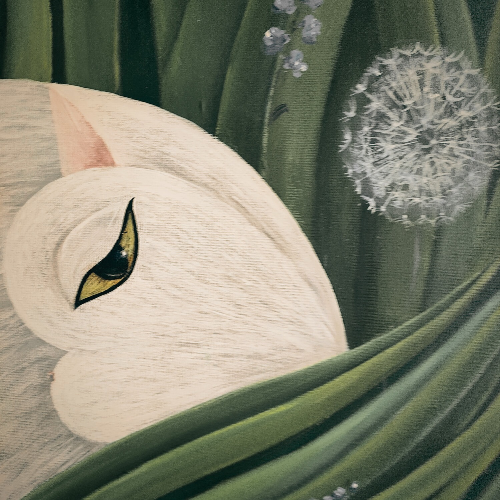
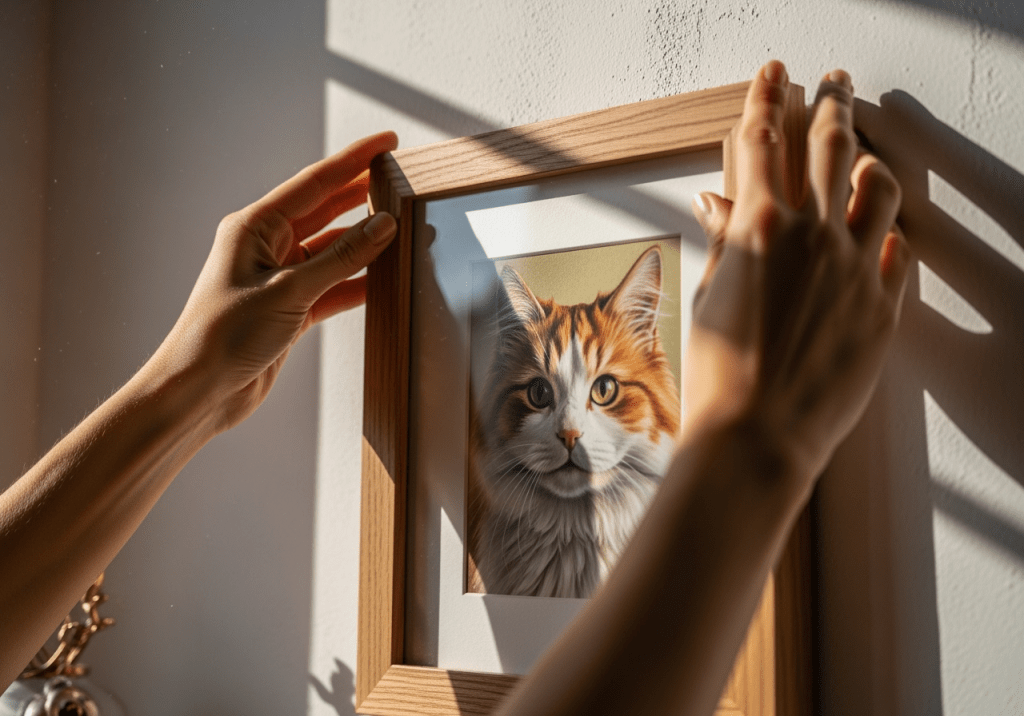
Six months ago, Margaret from Westcliff commissioned a portrait of her rescue cat, Jasper. When I delivered the finished piece, she hung it in her hallway where she’d see it every morning on her way to work. Last week, she sent me a message that perfectly captures today’s topic: “I never expected how much this portrait would change my daily experience. Every time I see it, I’m reminded not just of Jasper, but of the capacity for love and healing that brought us together.”
Margaret’s experience illustrates the profound impact that meaningful pet portraits can have on our daily lives and emotional wellbeing. Today, I’m exploring how living with pet art transforms our homes and hearts, creating lasting connections that extend far beyond the initial commission.
The Psychology of Living with Meaningful Art
Environmental psychology research reveals that the artwork we choose to live with significantly influences our daily emotional state, stress levels, and overall wellbeing. Pet portraits occupy a unique position in this research because they combine aesthetic appreciation with deep personal attachment.
Psychological Benefits of Living with Pet Art:
- Daily mood enhancement: Regular exposure to positive imagery improves emotional baseline
- Stress reduction: Familiar, comforting images activate relaxation responses
- Memory activation: Triggers positive recollections and emotional connections
- Identity reinforcement: Reflects and strengthens sense of self and values
- Social connection: Provides conversation starters and shared experiences with visitors
Neurological Responses to Personal Art:
- Oxytocin release: Viewing beloved pets (even in art) triggers bonding hormones
- Dopamine activation: Positive associations create pleasure responses
- Cortisol reduction: Comforting imagery helps regulate stress hormones
- Mirror neuron engagement: Emotional expressions in art activate empathy responses
- Memory consolidation: Regular viewing strengthens positive memory pathways
Dr. Semir Zeki’s research on neuroaesthetics shows that viewing personally meaningful art creates measurably different brain responses than viewing generic artwork, with stronger activation in areas associated with reward, memory, and emotional processing.
The Daily Ritual of Connection
Living with a pet portrait creates daily opportunities for connection and reflection that extend far beyond the original commissioning motivation. These moments of visual contact become rituals that strengthen the human-animal bond even when pets aren’t physically present.
Morning Connection Rituals:
- Greeting moments: Many clients report saying “good morning” to their pet’s portrait
- Intention setting: Using the portrait as a focal point for positive daily intentions
- Mood calibration: The portrait’s emotional tone influences the day’s emotional baseline
- Memory activation: Brief recollections of happy moments before starting the day
- Gratitude practice: Appreciation for the relationship represented in the art
Evening Reflection Rituals:
- Day processing: Using the portrait as a calming focal point after stressful days
- Emotional regulation: The comforting presence helps transition from work to home mindset
- Memory sharing: Telling partners or family about pet-related memories triggered by the portrait
- Gratitude expression: Acknowledging the joy and love the pet brought to life
- Future planning: Considering how to honour the pet’s memory or care for current pets
How Pet Portraits Transform Living Spaces
The placement and integration of pet portraits within home environments creates ripple effects that extend throughout the living space, influencing both the physical atmosphere and emotional energy of rooms.
Spatial Psychology of Pet Portrait Placement:
Entryway Positioning:
- Welcome energy: Creates immediate sense of warmth and personality
- Visitor introduction: Communicates family values and priorities
- Daily greeting: Ensures regular visual contact with meaningful imagery
- Transition support: Helps shift from external to internal emotional states
Living Room Integration:
- Conversation catalyst: Provides natural talking points for guests
- Family identity: Reinforces the pet’s role in family structure
- Comfort enhancement: Adds emotional warmth to social spaces
- Memory sharing: Encourages storytelling and connection
Bedroom Placement:
- Peaceful presence: Provides comforting imagery before sleep and upon waking
- Dream influence: Positive imagery can influence sleep quality and dream content
- Intimate connection: Creates private moments of connection and reflection
- Healing support: Particularly beneficial for memorial portraits during grief processing
The Southend Home Environment
Living in Southend-on-Sea has given me unique insights into how coastal living influences the integration of pet portraits within home environments. Our light-filled conservatories, sea-view windows, and garden-connected living spaces create specific opportunities for meaningful art placement.
Coastal Light Considerations:
- Morning light: East-facing walls receive gentle morning illumination that enhances warm-toned portraits
- Afternoon brightness: South-facing positions may require UV protection but create dramatic lighting effects
- Evening glow: West-facing placement captures golden hour light that adds warmth to any portrait
- Seasonal changes: Southend’s dramatic seasonal light shifts create evolving relationships with artwork
Local Home Architecture:
- Victorian terraces: High ceilings and period features complement formal portrait presentations
- Modern apartments: Clean lines and open spaces suit contemporary geometric interpretations
- Coastal cottages: Cosy, intimate spaces benefit from smaller, more personal portrait scales
- Conservatory spaces: Light-filled garden rooms create ideal viewing environments for nature-inspired pet art
Case Studies: Living with Pet Portraits
Let me share how different clients have integrated their pet portraits into daily life:
Margaret and Jasper’s Hallway Portrait:
- Placement strategy: High-traffic area ensures daily visual contact
- Emotional impact: Morning greeting ritual sets positive tone for workdays
- Visitor response: Guests immediately understand the home’s pet-loving atmosphere
- Long-term effect: Six months later, still reports daily mood enhancement
- Unexpected benefit: Portrait helps her process grief whilst celebrating Jasper’s ongoing presence in her life
David and Luna’s Living Room Gallery:
- Integration approach: Luna’s portrait anchors a gallery wall of family photos
- Social function: Becomes focal point for sharing Luna’s stories with visitors
- Seasonal rotation: Surrounding photos change, but Luna’s portrait remains constant
- Family bonding: Children enjoy pointing out Luna’s portrait to friends
- Memory preservation: Helps maintain Luna’s place in evolving family narrative
Sarah and Milo’s Bedroom Sanctuary:
- Intimate placement: Positioned where it’s visible from bed but private from guests
- Emotional support: Provides comfort during difficult days or illness
- Morning inspiration: First thing seen upon waking creates positive start
- Evening reflection: Last image before sleep encourages peaceful rest
- Healing journey: Supports ongoing grief processing in safe, private space
The Evolution of Emotional Response
One of the most fascinating aspects of living with pet portraits is how emotional responses evolve over time. Initial reactions often focus on recognition and accuracy, but long-term relationships with the artwork develop deeper, more complex dimensions.
Timeline of Emotional Evolution:
First Week: Recognition and Adjustment
- Initial impact: Strong emotional response to seeing beloved pet represented
- Placement experimentation: Finding the optimal position within the home
- Visitor sharing: Excitement about showing the portrait to friends and family
- Photo documentation: Taking pictures of the portrait in its new home
- Emotional processing: Working through any unexpected grief or joy responses
First Month: Integration and Routine
- Routine development: Portrait becomes part of daily visual landscape
- Emotional stabilisation: Initial intensity settles into comfortable familiarity
- Story development: Beginning to share the commissioning story with others
- Comparative appreciation: Noticing how the portrait differs from photographs
- Relationship deepening: Growing appreciation for artistic interpretation choices
Three Months: Deepening Connection
- Ritual establishment: Consistent patterns of interaction with the portrait
- Seasonal awareness: Noticing how changing light affects the artwork’s appearance
- Memory activation: Portrait increasingly triggers specific memories and stories
- Emotional support: Beginning to rely on the portrait for comfort during difficult times
- Identity integration: The portrait becomes part of personal and home identity
Six Months and Beyond: Lasting Transformation
- Unconscious comfort: Portrait provides background emotional support without conscious awareness
- Story evolution: Commissioning story becomes part of personal narrative
- Relationship model: Portrait demonstrates healthy approach to love, loss, and memory
- Legacy awareness: Understanding that the portrait will outlast current life circumstances
- Wisdom integration: Lessons learned from the pet relationship become accessible through the artwork
Pet Portraits and Family Dynamics
Living with pet portraits often influences family relationships and dynamics in unexpected ways. The artwork becomes a focal point for shared memories, values, and emotional experiences.
Impact on Family Relationships:
Intergenerational Connection:
- Story sharing: Grandparents sharing pet stories with grandchildren through the portrait
- Value transmission: Teaching younger family members about love, responsibility, and loss
- Memory preservation: Ensuring beloved pets remain part of family history
- Emotional modelling: Demonstrating healthy approaches to grief and remembrance
- Legacy creation: Establishing traditions that may continue through generations
Partnership Dynamics:
- Shared decision-making: Couples collaborating on portrait commissioning and placement
- Grief processing: Supporting each other through memorial portrait experiences
- Value alignment: Demonstrating shared priorities about pets and family
- Communication catalyst: Portrait discussions revealing deeper relationship values
- Future planning: Conversations about current and future pet relationships
Children and Pet Portraits:
- Educational opportunities: Learning about art, emotions, and relationships
- Grief support: Age-appropriate ways to process pet loss through visual art
- Empathy development: Understanding the depth of human-animal bonds
- Artistic appreciation: Exposure to commissioned art and creative processes
- Memory anchoring: Helping children maintain connections to beloved pets
The Social Psychology of Pet Portrait Display
Displaying pet portraits in homes creates social dynamics that extend beyond the immediate family. Visitors’ responses reveal cultural attitudes about pets, art, and the intersection of both.
Visitor Response Patterns:
Pet Lovers’ Reactions:
- Immediate recognition: Understanding and appreciation for the commissioning decision
- Story sharing: Triggered memories of their own pet relationships
- Artistic appreciation: Interest in the artistic process and style choices
- Emotional connection: Visible emotional responses to the portrayed pet
- Commission consideration: Interest in commissioning their own pet portraits
Non-Pet Owners’ Responses:
- Cultural curiosity: Questions about the decision to commission pet art
- Artistic focus: Appreciation for the artwork independent of pet attachment
- Educational opportunity: Learning about the depth of human-animal bonds
- Respectful interest: Growing understanding of pets’ family roles
- Perspective broadening: Expanded awareness of different family structures
Professional Visitors’ Reactions:
- Conversation starters: Natural talking points for service providers and colleagues
- Personality insights: Understanding homeowners’ values and priorities
- Comfort indicators: Recognition of a welcoming, caring home environment
- Cultural awareness: Appreciation for diverse approaches to family and home decoration
- Professional curiosity: Interest in the artistic process and local artists
Seasonal Relationships with Pet Portraits
Living in Southend-on-Sea has taught me how seasonal changes affect relationships with pet portraits. The shifting light, changing home activities, and seasonal emotional patterns all influence how we experience artwork in our daily lives.
Seasonal Portrait Relationships:
Spring Renewal:
- Fresh perspective: Spring cleaning and rearranging often includes repositioning portraits
- Memory activation: Warmer weather triggers memories of outdoor activities with pets
- Emotional lifting: Increased daylight enhances mood-boosting effects of positive imagery
- Social increase: More visitors during pleasant weather means more portrait sharing opportunities
- Future planning: Spring energy often inspires thoughts about new pet relationships
Summer Vibrancy:
- Light enhancement: Long daylight hours create extended viewing opportunities
- Holiday memories: Summer activities trigger pet-related travel and adventure memories
- Social gatherings: Increased entertaining means more opportunities for portrait appreciation
- Outdoor connections: Garden and beach activities connect to nature elements in portraits
- Energy alignment: High summer energy complements vibrant, joyful pet portraits
Autumn Reflection:
- Contemplative mood: Shorter days encourage more reflective interactions with portraits
- Memory processing: Seasonal changes trigger deeper emotional processing
- Cosy comfort: Increased indoor time strengthens relationships with home artwork
- Gratitude focus: Harvest season encourages appreciation for pet relationships
- Preparation mindset: Autumn often brings thoughts about pet care and future planning
Winter Intimacy:
- Comfort seeking: Cold weather increases reliance on emotionally warming imagery
- Memory treasuring: Long evenings provide time for deeper reflection on pet relationships
- Holiday significance: Portraits become part of seasonal family traditions
- Grief processing: Quiet season supports memorial portrait contemplation
- Planning preparation: Winter planning often includes thoughts about spring pet activities
The Therapeutic Value of Daily Art Interaction
Regular interaction with meaningful pet portraits provides ongoing therapeutic benefits that extend far beyond the initial commissioning motivation. This daily art therapy happens naturally, without conscious effort or professional guidance.
Therapeutic Mechanisms:
Emotional Regulation:
- Stress buffering: Comforting imagery helps manage daily stress and anxiety
- Mood stabilisation: Regular positive visual input supports emotional balance
- Grief processing: Memorial portraits provide ongoing support for loss processing
- Joy activation: Happy pet memories triggered by portraits enhance daily mood
- Resilience building: Regular connection to love and positive relationships strengthens emotional resilience
Cognitive Benefits:
- Memory enhancement: Regular visual cues strengthen positive memory pathways
- Attention training: Focused viewing moments provide mindfulness-like benefits
- Story coherence: Portraits help maintain coherent narratives about important relationships
- Value clarification: Daily reminders of what matters most support decision-making
- Future orientation: Portraits inspire continued commitment to pet relationships and care
Social Connection:
- Conversation facilitation: Portraits provide natural talking points with visitors
- Shared experience: Common ground with other pet lovers through portrait appreciation
- Story sharing: Opportunities to share meaningful pet stories and memories
- Community building: Connection to local artists and pet-loving community
- Legacy creation: Establishing traditions and stories for future sharing
Pet Portraits and Home Value
While not typically considered in traditional home valuation, pet portraits contribute to the emotional and psychological value of living spaces in ways that can influence both resident satisfaction and visitor impressions.
Emotional Home Value:
- Personalisation: Unique artwork that reflects homeowner personality and values
- Comfort enhancement: Increased emotional comfort and satisfaction with living space
- Memory anchoring: Physical reminders of important relationships and experiences
- Identity expression: Visual representation of family values and priorities
- Conversation value: Interesting talking points that enhance social interactions
Practical Considerations:
- Placement flexibility: Well-chosen portraits complement various decorating styles
- Timeless appeal: Quality pet portraits remain meaningful regardless of decorating trends
- Conversation starters: Interesting artwork that engages visitors and guests
- Cultural bridge: Universal appreciation for love and artistic expression
- Legacy potential: Meaningful artwork that can be passed down through generations
The Future of Living with Pet Art
As our understanding of environmental psychology and art therapy continues to evolve, I anticipate several trends in how people integrate pet portraits into their daily lives:
Emerging Trends:
Digital Integration:
- Seasonal variations: Digital displays that can show different versions of portraits for seasonal mood enhancement
- Interactive elements: Portraits that can trigger recorded pet sounds or videos
- Social sharing: Easy ways to share portrait stories with distant family and friends
- Memory integration: Portraits that connect to photo libraries and memory collections
- Therapeutic programming: Scheduled display variations to support specific emotional needs
Therapeutic Applications:
- Prescribed art: Healthcare providers recommending specific types of pet portraits for emotional support
- Grief counselling: Integration of pet portraits into professional grief therapy practices
- Senior care: Pet portraits as memory aids and emotional support in care facilities
- Child therapy: Using pet portraits to support children through difficult transitions
- Workplace wellness: Pet portraits in home offices to support remote work emotional wellbeing
Community Connection:
- Neighbourhood galleries: Shared spaces for displaying and appreciating local pet portraits
- Artist networks: Stronger connections between pet portrait artists and local communities
- Educational programs: Workshops on living with meaningful art and emotional wellbeing
- Support groups: Communities of people who have commissioned memorial pet portraits
- Cultural events: Celebrations that honour the role of pets in community life
The Lasting Transformation
When Margaret first commissioned Jasper’s portrait, she was focused on preserving his memory after his passing. She couldn’t have anticipated how profoundly the daily experience of living with his portrait would transform her relationship with grief, love, and home.
“The portrait doesn’t just remind me of Jasper,” she told me recently. “It reminds me of my capacity to love deeply, to heal from loss, and to create beauty from difficult experiences. Every morning when I see it, I’m reminded not just of who he was, but of who I became through loving him.”
This transformation illustrates the true power of living with meaningful pet.
- Behind-the-scenes of Artwork Creation
- History of Art
- Local Art Scene in Southend-on-Sea
- Nature and Cat Art Technics
- Navigating Social Media & AI in Art in 2025
- Seasonal Reflections
- Thoughts on AI Art, Traditional Art, and Creativity
- Uncategorized



 Milena Skulimowska Visual Artist
Leave a comment