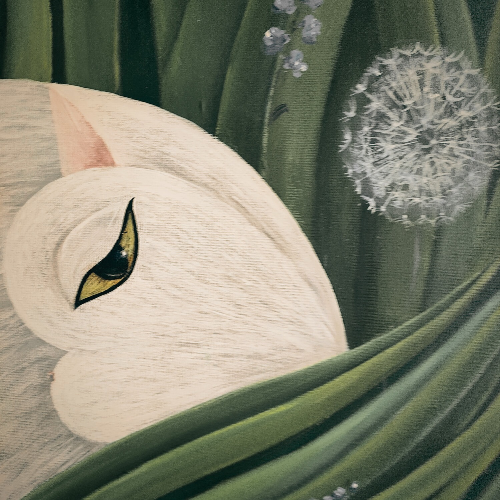

Five years ago, when I first started creating pet portraits in my Southend studio, the choice seemed simple: acrylics on canvas, brushes in hand, paint under my fingernails. Traditional art was real art. Digital was something else entirely.
Today, I offer both traditional paintings and digital downloads to my clients. This shift didn’t happen overnight, and it certainly didn’t happen without questioning everything I thought I knew about what makes art meaningful.
The digital vs traditional art debate has evolved far beyond simple preference. In 2025, it’s about understanding when each medium serves your artistic vision and your audience’s needs. Let me share what I’ve learned from working in both worlds.
What We’re Really Talking About
Traditional art uses physical materials – paint, canvas, brushes, pencils. Every mark is permanent. Every colour choice matters because you can’t simply undo it. When I paint a geometric cat portrait in acrylics, I’m working with the same fundamental processes artists have used for centuries.
Digital art uses software and hardware to create images that exist as pixels and data files. Layers can be adjusted, colours can be shifted instantly, and mistakes disappear with a keystroke. When I create a digital version of that same cat portrait, I’m working with tools that didn’t exist when I was born.
But here’s what I’ve discovered: both approaches can create equally meaningful, beautiful, and valuable art. The medium doesn’t determine the worth – the intention, skill, and emotional connection do.
The Evolution of Art-Making
Art has always evolved with available technology. Cave painters used whatever pigments they could find. Renaissance masters embraced oil paints when they became available. Impressionists took advantage of portable paint tubes to work outdoors.
Digital art is simply the latest evolution in this continuum. When Photoshop launched in 1990, many traditional artists dismissed it as “not real art.” Today, digital illustrations hang in galleries, sell for thousands of pounds, and move people to tears just like traditional paintings do.
The resistance to new mediums isn’t new. When photography was invented, painters worried it would make their craft obsolete. Instead, it freed them to explore abstraction and expression in ways that pure representation never could.
Why I Expanded Beyond Traditional
My journey into digital art began with a practical problem: international shipping. A client in Australia wanted one of my cat portraits, but shipping a framed painting safely would cost more than the artwork itself.
I started offering high-resolution digital files that clients could print locally. What began as a shipping solution became something much more interesting. Clients loved having the flexibility to print at different sizes, try various framing options, and even create products like mugs or phone cases.
But the real revelation came when I started creating digital-native pieces – artworks designed specifically for the digital medium rather than just digitised versions of traditional work. These pieces could incorporate elements impossible in traditional media: perfect geometric precision, infinite colour gradations, and effects that would take hours to achieve with physical paint.
The Current Landscape in 2025
The art world has largely moved past the “digital vs traditional” debate. Major galleries exhibit both. Collectors buy both. Artists create both. The question is no longer which is better, but which serves your specific goals.
Traditional art continues to thrive because it offers experiences digital cannot replicate:
- Physical presence and texture
- Unique, one-of-a-kind objects
- Investment potential
- The ritual and mindfulness of creation
- Immediate, tactile connection
Digital art has carved out its own valuable space because it offers advantages traditional cannot match:
- Accessibility and affordability
- Global reach and instant delivery
- Infinite reproducibility without quality loss
- Environmental benefits
- Integration with modern life and technology
Client Perspectives: What I’ve Learned
Working with both mediums has taught me that clients choose based on their specific needs and values, not arbitrary preferences.
Traditional art clients often want:
- Memorial pieces with emotional weight
- Investment pieces for their homes
- Unique, one-of-a-kind artworks
- The story and romance of traditional creation
- Physical objects they can touch and feel
Digital art clients often want:
- Affordable access to custom art
- Flexibility in printing and display options
- Quick turnaround times
- Eco-friendly options
- The ability to share easily on social media
Neither group is wrong. They’re simply prioritising different values.
The Southend Perspective
Living and working in Southend-on-Sea has given me unique insights into how location influences medium choice. Our coastal light changes dramatically throughout the day and seasons, affecting how traditional paintings appear in homes. Digital art, displayed on screens, maintains consistent appearance regardless of lighting conditions.
Local clients often prefer traditional pieces because they want to support local craftsmanship and have something uniquely connected to our area. International clients, discovered through social media, often choose digital options for practical reasons.
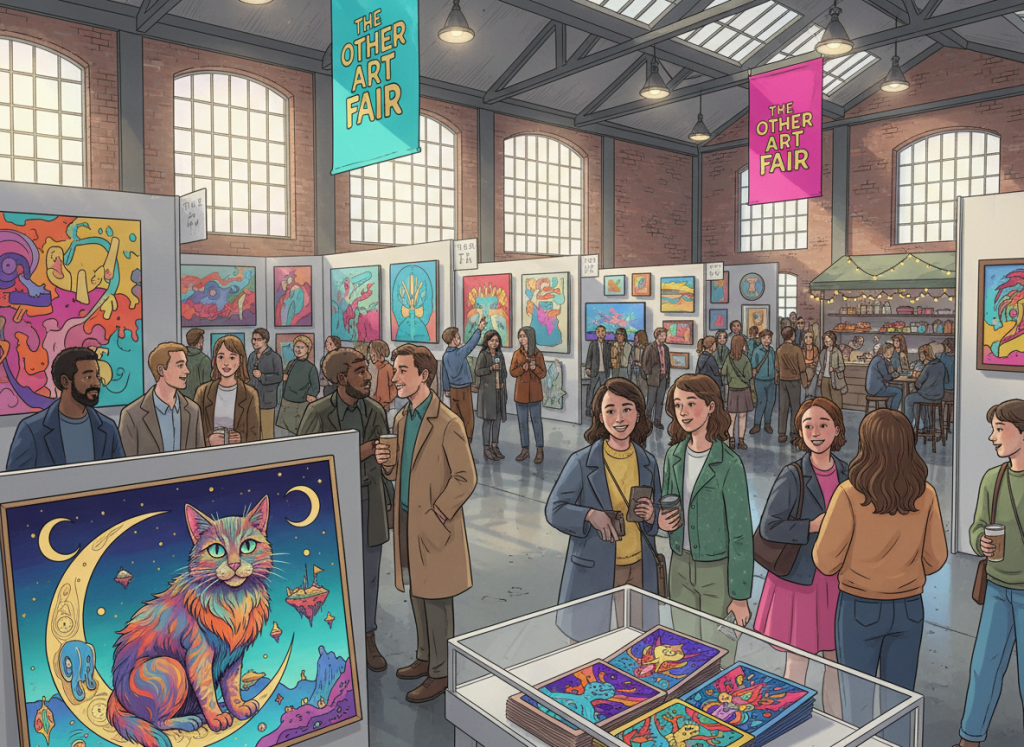
The Southend art community has embraced both mediums. Local galleries now regularly feature digital art alongside traditional paintings. Art fairs include digital artists. The distinction matters less than the quality and emotional impact of the work.
Breaking Down False Divisions
The biggest misconception about digital vs traditional art is that you must choose sides. In reality, the most successful contemporary artists often work fluidly between mediums, choosing the best tool for each specific project.
Some false divisions I’ve encountered:
“Digital art is easier” – Creating compelling digital art requires the same understanding of composition, colour, and form as traditional art. The tools are different, not simpler.
“Traditional art is more valuable” – Value comes from emotional connection, artistic skill, and market demand, not medium choice.
“Digital art isn’t real art” – This argument disappeared as digital art proved its ability to move, inspire, and sell just like traditional art.
“Traditional art is outdated” – Physical art continues to offer unique experiences that digital cannot replicate.
The Hybrid Approach
Most contemporary artists, myself included, work as hybrid practitioners. I might sketch traditionally, refine digitally, then execute the final piece in acrylics. Or create a traditional painting and develop digital variations for different markets.
This hybrid approach offers the best of both worlds:
- Traditional techniques for unique, physical pieces
- Digital tools for planning, experimentation, and reproduction
- Multiple revenue streams from single artistic concepts
- Flexibility to serve different client needs and budgets
Looking Forward
The future of art isn’t digital vs traditional – it’s digital and traditional, working together to expand what’s possible. Virtual reality might let us paint in three-dimensional space. AI might help generate initial concepts that we refine by hand. Traditional techniques might inspire new digital effects.
What remains constant is the human need for beauty, meaning, and connection. Whether that connection happens through brushstrokes on canvas or pixels on screen matters less than the emotional truth being expressed.
Making Your Choice
Whether you’re an artist considering which medium to explore or a collector deciding what to buy, the choice isn’t about which medium is objectively better. It’s about which serves your specific needs, values, and goals.
Ask yourself:
- What experience do you want to create or have?
- What practical considerations matter most?
- What emotional connection are you seeking?
- How does this art fit into your life or practice?
The answer will guide you toward the right medium for your situation.
The Real Divide
The only meaningful divide in art isn’t between digital and traditional – it’s between art that connects and art that doesn’t. Art that moves people and art that leaves them cold. Art created with intention and skill versus art created carelessly.
I’ve seen traditional paintings that felt lifeless and digital art that brought tears to viewers’ eyes. I’ve created traditional pieces that felt forced and digital works that flowed effortlessly. The medium was never the determining factor.
As we move deeper into 2025, the most exciting art happens when artists stop worrying about defending their medium choice and start focusing on creating work that matters. Whether that work happens with pixels or paint is just a detail in service of something much larger.
Next week, I’ll explore when traditional art remains irreplaceable and why some artistic experiences can only happen with physical materials.
- Behind-the-scenes of Artwork Creation
- History of Art
- Local Art Scene in Southend-on-Sea
- Nature and Cat Art Technics
- Navigating Social Media & AI in Art in 2025
- Seasonal Reflections
- Thoughts on AI Art, Traditional Art, and Creativity
- Uncategorized

 Milena Skulimowska Visual Artist
Leave a comment