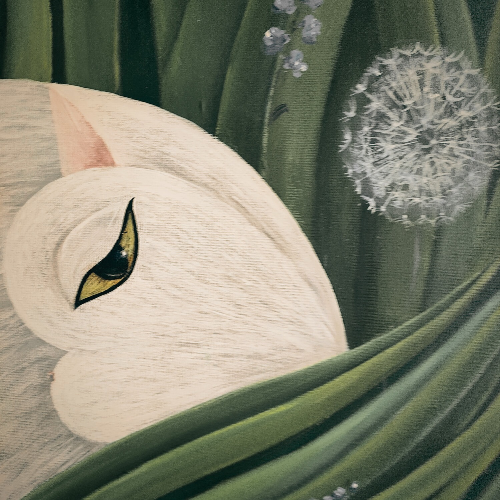
Last month, Sarah from Westcliff commissioned a memorial portrait of her cat, Luna. When we discussed the options, she was clear: “I need something I can touch. Something real that holds her memory.”
Three weeks later, when I delivered Luna’s portrait painted in acrylics on canvas, Sarah’s reaction was immediate. She ran her fingers along the texture of the brushstrokes, held the canvas close, and whispered, “She’s still here.”
That moment crystallised something I’ve learned over five years of creating both traditional and digital art: there are times when only physical art will do. Today, I’m exploring when traditional mediums remain irreplaceable and why some artistic experiences can only happen with paint, canvas, and the irreversible commitment of physical materials.
The Irreplaceable Qualities of Traditional Art
Traditional art possesses characteristics that digital mediums, despite their sophistication, cannot replicate. These aren’t limitations of technology – they’re fundamental differences in how we experience physical versus virtual objects.
Physical Presence and Aura Walter Benjamin wrote about the “aura” of original artworks – their unique presence in time and space. When you stand before an original painting, you’re experiencing something that exists nowhere else in the universe. Every brushstroke carries the artist’s hand movement, every colour choice reflects a specific moment in time.
I see this regularly in my Southend studio. Clients react differently to original paintings than to high-quality prints of the same work. There’s an immediate recognition of authenticity, a sense of connection to the creative process that reproductions cannot provide.
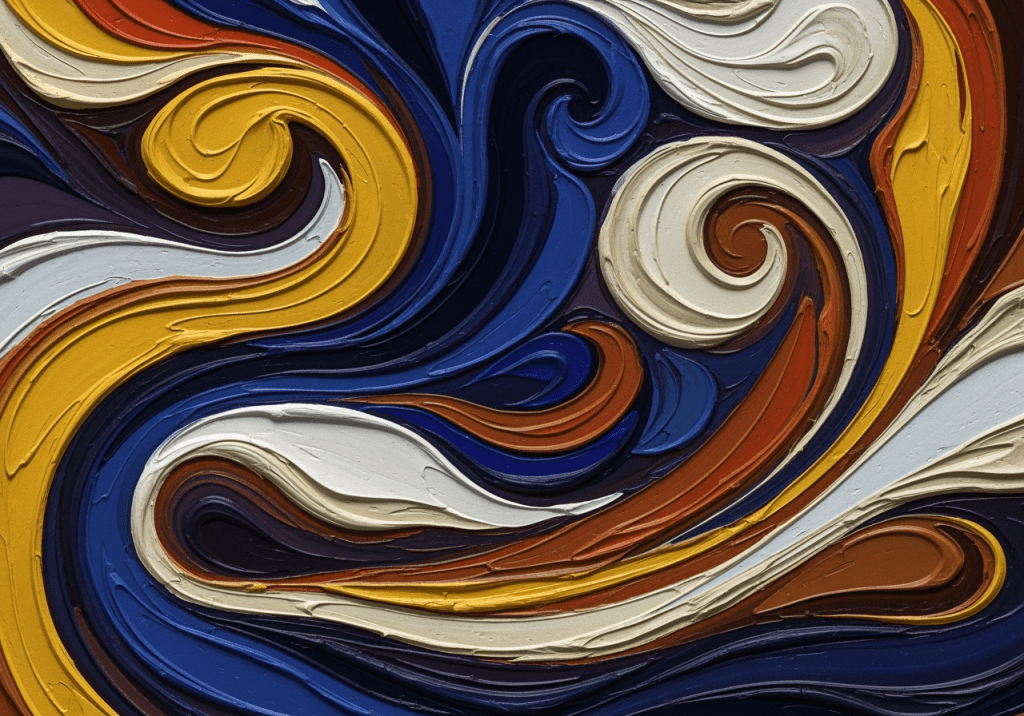
Texture and Dimensionality Traditional art exists in three dimensions. Paint builds up on canvas, creating valleys and peaks that catch light differently throughout the day. The texture of brushstrokes tells the story of creation – quick, confident marks versus careful, deliberate applications.
When I paint geometric cat portraits in acrylics, each layer adds physical depth. The whisker details sit slightly raised from the background. The geometric patterns create subtle shadows. This dimensionality changes as Southend’s coastal light shifts throughout the day, making the artwork a living, breathing presence in the home.
The Ritual of Creation Traditional art-making is inherently meditative. The preparation of materials, the mixing of colours, the physical act of applying paint to canvas – these rituals slow down the creative process in ways that benefit both artist and eventual viewer.
There’s no undo button with traditional mediums. Every mark matters. This constraint forces deeper consideration, more intentional choices. The resulting artwork carries the weight of these decisions, the evidence of the artist’s commitment to each element.
When Traditional Art Is the Only Choice
Through working with hundreds of clients, I’ve identified specific situations where traditional art isn’t just preferred – it’s necessary.
Memorial and Commemorative Pieces Grief requires weight. When clients commission memorial pet portraits, they need artwork that matches the emotional significance of their loss. Digital art, no matter how beautiful, can feel insufficient for honouring a beloved companion’s memory.
Sarah’s reaction to Luna’s portrait illustrates this perfectly. The physical painting became a tangible connection to her cat’s memory. She could touch the brushstrokes that represented Luna’s fur, feel the texture that brought her companion back to life in a way that a digital file never could.
Investment and Legacy Artwork Traditional paintings appreciate in value in ways that digital art typically cannot. Original works by established artists become family heirlooms, passed down through generations. They carry provenance, history, and the irreplaceable quality of being unique objects.
Collectors understand this instinctively. When someone invests in original art, they’re buying more than an image – they’re acquiring a piece of cultural history, a physical object that will outlast them.
Large Statement Pieces Scale matters in traditional art. A large canvas commands attention in ways that even the largest digital displays cannot match. The physical presence of a substantial painting changes the energy of a room, creates focal points that draw people in.
I’ve created cat portraits ranging from miniature 12.5×17.5cm pieces to large 100x100cm statement works. The impact scales exponentially with size in traditional mediums. A large digital print can be impressive, but a large original painting is transformative.
Gallery and Exhibition Context Despite the art world’s embrace of digital mediums, galleries and museums still primarily showcase traditional art. There’s something about the shared experience of viewing original works in person that digital displays cannot replicate.
When I exhibit at local Southend galleries, visitors spend longer with original paintings than with digital displays. They lean in to examine brushwork, step back to appreciate composition, move around to see how light affects the surface. This physical interaction creates deeper engagement.
The Psychology of Owning Original Art
The psychological impact of living with original art differs significantly from living with reproductions or digital displays. This isn’t about snobbery – it’s about how our brains process authentic versus reproduced experiences.
Authenticity and Connection Owning an original artwork creates a direct connection to the artist and the creative process. Clients often tell me they think about the painting process when they look at their commissioned pieces. They imagine me in my studio, mixing colours, making decisions about their pet’s expression.
This connection doesn’t exist with digital art or prints. While these can be beautiful and meaningful, they lack the direct link to the moment of creation that original works provide.
Investment in Uniqueness Humans value scarcity. When someone owns an original painting, they possess something that cannot be exactly replicated. Even if I painted the same subject again, the result would be different – different brushstrokes, slightly different colours, unique imperfections that make each piece individual.
This uniqueness creates emotional investment. Clients care for their original paintings differently than they care for prints. They consider lighting, humidity, placement more carefully because they know the piece is irreplaceable.
Sensory Engagement Traditional art engages multiple senses. Clients notice the slight texture under glass, the way light plays across the surface, even the faint smell of aged varnish. These sensory details create richer memory formation and stronger emotional attachment.
The Southend Advantage for Traditional Art
Working in Southend-on-Sea has taught me how environment affects traditional art in ways that digital art cannot match. Our coastal location creates specific advantages for traditional mediums.
Natural Light Interaction Southend’s dramatic light changes throughout the day create an ever-evolving relationship with traditional paintings. Morning light from the east enhances warm tones in my cat portraits. Afternoon light from the south creates strong contrasts that emphasise geometric elements. Evening light from the west adds golden warmth that makes colours glow.
Digital displays look the same regardless of ambient light. Traditional paintings become partners with their environment, changing appearance as conditions shift. This creates a living relationship between artwork and space that many clients find deeply satisfying.
Seasonal Relationships Our coastal climate creates seasonal relationships with traditional art that digital cannot replicate. Winter’s soft, diffused light reveals subtle details in paintings. Summer’s bright, direct light emphasises bold colours and strong contrasts. Spring and autumn light creates different moods with the same artwork.
Clients often tell me they notice new details in their paintings as seasons change. The interaction between natural light and physical paint creates discoveries that keep the artwork fresh and engaging year after year.
Local Material Connection Using traditional materials connects my work to centuries of artistic tradition. The same pigments used by masters throughout history create colours in my geometric cat portraits. This historical continuity adds depth and meaning that digital mediums cannot provide.
Local clients appreciate this connection to artistic heritage. They understand they’re participating in a tradition that stretches back through generations of artists working with physical materials to create lasting beauty.
Technical Advantages of Traditional Mediums
Beyond emotional and psychological factors, traditional art offers technical advantages that digital mediums struggle to match.
Colour Depth and Complexity Physical pigments interact with light in complex ways that digital displays cannot fully reproduce. The depth of colour in quality oil or acrylic paints comes from light penetrating multiple layers of pigment, bouncing off the canvas, and returning through those layers.
Digital displays create colour through emitted light, which can be vibrant but lacks the depth and complexity of reflected light through physical pigments. This difference is subtle but significant, especially in sophisticated colour relationships.
Aging and Patina Traditional artworks age gracefully when properly cared for. The slight changes that occur over decades – subtle shifts in colour, development of patina – add character and history to the piece. These changes tell the story of the artwork’s life.
Digital art doesn’t age in the same way. Files remain identical to their creation state, lacking the gentle evolution that makes traditional artworks more interesting over time.
Repair and Conservation Traditional artworks can be conserved and restored by skilled professionals. Damage from age, accidents, or environmental factors can often be repaired, allowing important pieces to survive for centuries.
Digital art faces different preservation challenges. File formats become obsolete, storage media degrades, and technological changes can make older digital works inaccessible. While these issues can be managed, they require different expertise and approaches.
When I Recommend Traditional Over Digital
Based on five years of client interactions, I’ve developed clear guidelines for when I recommend traditional art over digital options.
Emotional Weight Projects When clients describe their project using words like “memorial,” “legacy,” “heirloom,” or “investment,” I guide them toward traditional options. These projects require the emotional weight that only physical art can provide.
Local and Regional Clients Clients within driving distance of Southend often prefer traditional pieces because they can visit my studio, see works in progress, and collect their finished pieces in person. This personal connection enhances the traditional art experience.
Large Display Spaces For significant wall spaces or rooms where the artwork will be a focal point, traditional paintings create more impact than digital alternatives. The physical presence of substantial traditional pieces transforms spaces in ways that prints or displays cannot match.
Gift Giving Traditional art makes more meaningful gifts for significant occasions. The physical presence, uniqueness, and permanence of original paintings communicate the importance of the relationship and occasion more effectively than digital alternatives.
The Limitations to Acknowledge
Traditional art isn’t always the right choice. Honest assessment of its limitations helps clients make informed decisions.
Cost Considerations Traditional art requires more time, materials, and skill to create, making it more expensive than digital alternatives. Not every client can justify the investment, especially for smaller or less significant projects.
Accessibility Issues Traditional art is inherently limited. Only one person can own the original, and shipping large pieces internationally is expensive and risky. Digital art democratises access to custom artwork in ways traditional mediums cannot match.
Time Requirements Traditional paintings take longer to create than digital art. The drying time for paint, the inability to quickly undo mistakes, and the careful layering process mean longer timelines. Clients with urgent deadlines may need digital alternatives.
Environmental Impact Traditional art materials have environmental costs – paint production, canvas manufacturing, shipping physical pieces. While these impacts can be minimised through sustainable practices, they cannot be eliminated entirely.
The Future of Traditional Art
Rather than being threatened by digital alternatives, traditional art is finding renewed appreciation as people recognise its unique qualities. The proliferation of digital imagery makes physical art feel more special, not less relevant.
Increased Value Recognition As digital reproduction becomes easier and more common, original artworks become more precious. The scarcity and authenticity of traditional art creates increased appreciation for its unique qualities.
Sustainable Practices Traditional art is evolving to address environmental concerns through sustainable materials, local sourcing, and responsible practices. These improvements maintain the medium’s advantages while reducing its environmental impact.
Hybrid Integration The future likely involves traditional and digital art working together rather than competing. Traditional pieces might be documented digitally for sharing and reproduction, while digital planning might inform traditional execution.
Making the Traditional Choice
When Sarah chose traditional art for Luna’s memorial portrait, she wasn’t just selecting a medium – she was choosing an experience. The weight of the canvas in her hands, the texture of the brushstrokes under her fingers, the way the painting changes in different light – these elements created a relationship with the artwork that continues to provide comfort months later.
Traditional art remains irreplaceable because it offers experiences that digital mediums cannot replicate. The physical presence, the connection to artistic tradition, the sensory engagement, and the emotional weight of original artworks serve needs that pixels and screens cannot address.
Understanding when to choose traditional art means recognising these unique qualities and matching them to client needs and project goals. Sometimes, only the irreplaceable magic of physical art will do.
Next week, I’ll explore the digital advantage – when pixels perfect the process and digital art offers capabilities that traditional mediums cannot match.
- Behind-the-scenes of Artwork Creation
- History of Art
- Local Art Scene in Southend-on-Sea
- Nature and Cat Art Technics
- Navigating Social Media & AI in Art in 2025
- Seasonal Reflections
- Thoughts on AI Art, Traditional Art, and Creativity
- Uncategorized



 Milena Skulimowska Visual Artist
Leave a comment