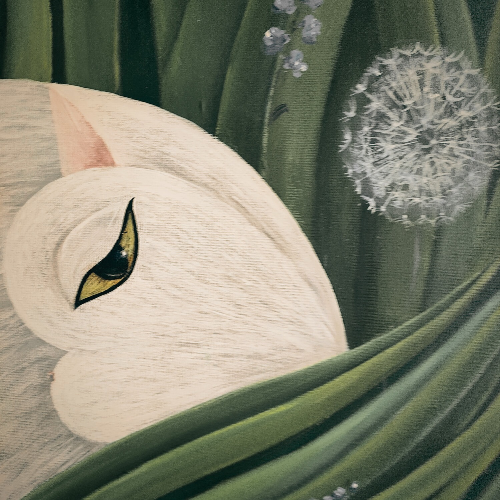
Three months ago, I received an urgent commission request from Tokyo. A client’s beloved cat had passed away unexpectedly, and they wanted a memorial portrait for a ceremony happening in just five days. Traditional shipping would take weeks. A traditional painting would take longer than that to dry properly.
Within 48 hours, I had created a digital memorial portrait, delivered the high-resolution file, and watched via video call as it was printed locally and framed for the ceremony. The client’s tears of gratitude reminded me why digital art isn’t just a convenient alternative to traditional mediums – it’s a powerful tool that can accomplish things traditional art simply cannot.
Today, I’m exploring when digital art offers advantages that traditional mediums cannot match, and why sometimes pixels truly do perfect the process.
The Unique Capabilities of Digital Art
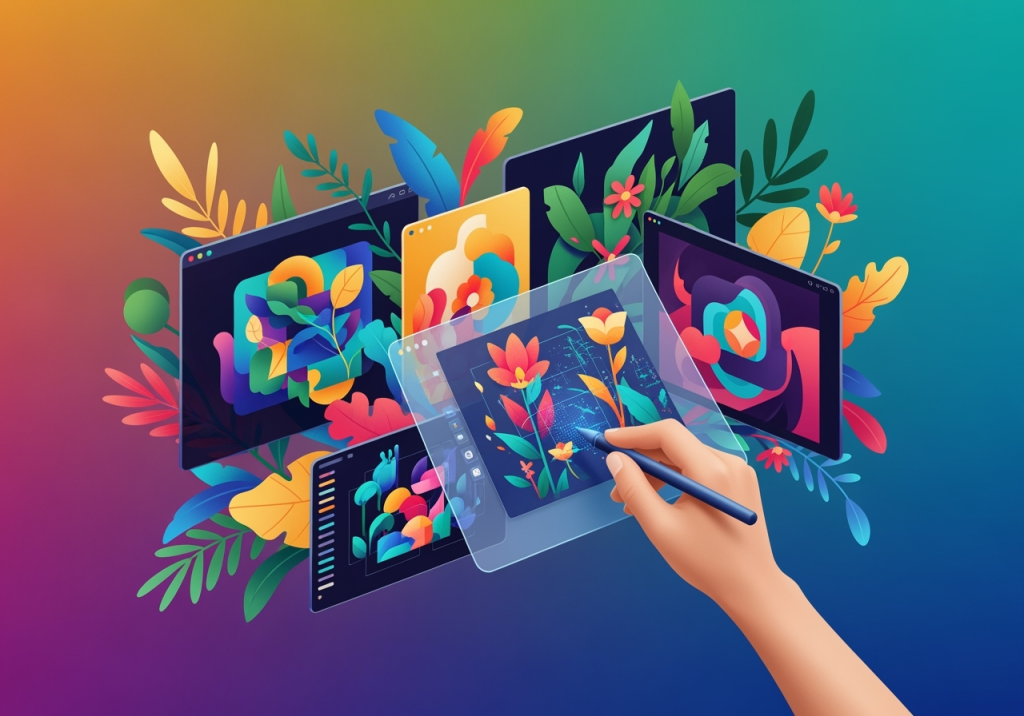
Digital art isn’t just traditional art created with different tools – it’s a fundamentally different medium with capabilities that physical materials cannot replicate. Understanding these unique advantages helps artists and clients recognise when digital is not just suitable, but superior.
Infinite Precision and Control Digital tools offer mathematical precision impossible with traditional mediums. When I create geometric cat portraits digitally, I can achieve perfect circles, exact angles, and flawless symmetry that would require extraordinary skill and time with traditional tools.
This precision isn’t about replacing artistic skill – it’s about freeing artists to focus on creative decisions rather than technical execution. I can spend my energy on colour relationships and emotional expression rather than struggling to achieve geometric accuracy with a brush.
Non-Destructive Editing Perhaps the most liberating aspect of digital art is the ability to experiment without consequence. Every decision can be undone, every layer can be adjusted, every colour can be refined without affecting the underlying work.
This freedom transforms the creative process. I can try bold colour combinations, experiment with dramatic compositions, and explore artistic directions that would be too risky with traditional materials. The safety net of unlimited undo encourages creative courage.
Infinite Reproducibility Once created, digital art can be reproduced infinitely without quality loss. The thousandth print is identical to the first. This capability democratises art ownership in ways traditional mediums cannot match.
A single digital pet portrait can become prints for multiple family members, products for different uses, and gifts for various occasions – all from one creative effort. This efficiency benefits both artists and clients.
Speed and Efficiency Advantages
Digital art excels in situations where time is critical or efficiency is paramount. These aren’t just conveniences – they’re fundamental advantages that can make the difference between meeting client needs and disappointing them.
Rapid Turnaround Times The Tokyo memorial commission illustrates digital art’s speed advantage perfectly. Traditional art requires drying time, careful packaging, and physical shipping. Digital art can be completed and delivered within hours when necessary.
This speed isn’t about rushing the creative process – it’s about eliminating the physical constraints that slow traditional art delivery. The actual creation time might be similar, but the delivery time is dramatically reduced.
Instant Global Delivery Digital art eliminates geography as a barrier. Clients anywhere in the world can receive their commissioned artwork instantly upon completion. This global reach opens markets that would be impractical for traditional art due to shipping costs and logistics.
I regularly work with clients across Europe, North America, and Asia who discovered my work through social media. Digital delivery makes these international relationships practical and profitable.
Efficient Iteration and Revision Client feedback can be incorporated quickly in digital art. Colour adjustments, compositional changes, and detail refinements that would require repainting entire sections traditionally can be accomplished in minutes digitally.
This efficiency improves client satisfaction and reduces artist frustration. Projects stay on schedule, and clients feel heard when their feedback can be implemented quickly.
Cost and Accessibility Benefits
Digital art removes many financial barriers that limit access to custom artwork. These advantages create opportunities for both artists and clients that traditional mediums cannot provide.
Lower Production Costs Digital art eliminates material costs – no canvas, paint, brushes, or physical supplies. This reduction in overhead allows artists to offer custom work at lower price points, making art accessible to broader audiences.
The savings aren’t just financial. Digital art also eliminates the time spent preparing materials, cleaning brushes, and waiting for paint to dry. This efficiency translates to better value for clients.
Scalable Pricing Models Digital art enables flexible pricing structures impossible with traditional art. I can offer different resolution files at different price points, create package deals combining various digital products, and provide licensing options for commercial use.
This flexibility helps clients find options that fit their budgets while allowing artists to capture value across different market segments.
Reduced Shipping and Handling International shipping for traditional art can cost more than the artwork itself. Digital delivery eliminates these costs entirely, making custom art accessible to global audiences regardless of location.
The environmental benefits are significant too. No packaging materials, no fuel for shipping, no risk of damage during transport. Digital art is inherently more sustainable in its distribution.
Creative Possibilities Unique to Digital
Digital tools enable artistic effects and techniques that are difficult or impossible to achieve with traditional materials. These aren’t gimmicks – they’re legitimate artistic capabilities that expand creative expression.
Perfect Geometric Precision My geometric cat portraits benefit enormously from digital precision. Complex mathematical patterns, perfect symmetry, and intricate geometric relationships that would take hours to achieve traditionally can be created quickly and accurately digitally.
This precision serves the artistic vision rather than constraining it. The geometric elements that define my style are enhanced by digital tools’ mathematical capabilities.
Infinite Colour Palettes Digital art offers access to millions of colours with perfect consistency. Traditional artists are limited by available pigments and mixing capabilities. Digital artists can access any colour imaginable and maintain perfect consistency across multiple works.
The ability to save and reuse exact colour palettes ensures consistency across series and enables precise colour matching when clients request specific schemes.
Layer-Based Composition Digital layers allow complex compositions to be built systematically. Background elements, subject details, and finishing effects can be developed independently and combined seamlessly.
This layered approach enables sophisticated compositions that would be extremely difficult to plan and execute traditionally. Each element can be perfected independently before integration.
Dynamic Effects and Textures Digital tools can simulate traditional textures while also creating effects impossible with physical materials. Glowing elements, perfect gradients, and complex pattern overlays expand the artistic vocabulary beyond traditional limitations.
These effects aren’t about replacing traditional techniques – they’re about expanding what’s possible in visual art.
The Southend Digital Art Experience
Working digitally in Southend-on-Sea has taught me how location influences digital art differently than traditional art. While traditional paintings change with our coastal light, digital art maintains consistency regardless of viewing conditions.
Consistent Global Viewing Digital art looks the same whether viewed in Southend’s bright coastal light or Tokyo’s urban environment. This consistency ensures that international clients receive exactly what they expect, regardless of their local lighting conditions.
Weather-Independent Creation Southend’s variable coastal weather doesn’t affect digital art creation the way it influences traditional painting. Humidity doesn’t affect drying times, temperature doesn’t change material behaviour, and sudden weather changes don’t disrupt the creative process.
Enhanced Documentation Digital art creation can be documented perfectly through screen recording, time-lapse capture, and process saving. This documentation provides valuable content for social media and helps clients understand the artistic process.
The ability to share creation processes in real-time via social media has helped build my international audience in ways that traditional art documentation cannot match.
Client Scenarios Where Digital Excels
Through working with hundreds of clients, I’ve identified specific situations where digital art isn’t just suitable – it’s superior to traditional alternatives.
International Clients Global clients benefit enormously from digital art’s instant delivery and consistent reproduction. The Tokyo memorial commission is just one example of how digital art serves international markets that traditional art cannot reach practically.
Budget-Conscious Commissions Clients who want custom art but have limited budgets find digital options accessible. The lower production costs allow me to offer custom work at price points that make art ownership possible for broader audiences.
Multiple Recipients When clients want to share artwork with multiple family members or friends, digital art excels. One creation can become multiple prints, gifts, and keepsakes without additional artistic effort.
Commercial Applications Businesses needing artwork for multiple uses – websites, print materials, products, signage – benefit from digital art’s flexibility and reproducibility. Licensing arrangements become practical when artwork can be used across multiple applications.
Time-Sensitive Projects Urgent commissions, memorial services, gift deadlines, and event artwork often require digital solutions. The speed advantage of digital creation and delivery can make impossible deadlines achievable.
Technical Advantages of Digital Creation
Beyond creative and practical benefits, digital art offers technical advantages that improve both the artistic process and the final results.
Perfect Archival Quality Digital files don’t degrade over time when properly stored. The artwork created today will look identical decades from now, assuming proper file management and format migration.
Traditional art requires careful conservation to maintain quality over time. Digital art’s stability eliminates many preservation concerns.
Infinite Backup Possibilities Digital artwork can be backed up infinitely across multiple locations and storage systems. The risk of losing artwork to fire, flood, or accident is virtually eliminated with proper digital storage practices.
Easy Modification and Adaptation Digital art can be modified for different applications without affecting the original. Cropping for different aspect ratios, colour adjustments for different printing processes, and size modifications for various uses are all non-destructive.
Integration with Modern Workflows Digital art integrates seamlessly with contemporary business and personal workflows. Files can be shared instantly, incorporated into presentations, used across social media platforms, and integrated into websites without additional processing.
Environmental Considerations
Digital art offers significant environmental advantages over traditional mediums, though these benefits come with their own considerations.
Reduced Material Consumption Digital art eliminates the need for canvas, paint, brushes, solvents, and other physical materials. This reduction in material consumption has obvious environmental benefits.
Eliminated Shipping Impact Digital delivery eliminates the carbon footprint of shipping artwork globally. No packaging materials, no fuel consumption, no transportation emissions.
Energy Considerations Digital art creation and storage do consume energy, but modern computers are increasingly efficient. The energy cost of creating and storing digital art is typically much lower than the environmental impact of producing and shipping traditional art materials.
The Learning Curve Advantage
Digital art tools often have gentler learning curves than traditional mediums, making art creation accessible to more people.
Immediate Feedback Digital tools provide instant visual feedback. Colour choices, composition decisions, and technical execution can be evaluated immediately without waiting for paint to dry or materials to set.
Risk-Free Experimentation The ability to undo mistakes and try multiple approaches without wasting materials encourages experimentation and learning. Artists can develop skills more quickly when failure doesn’t mean starting over completely.
Built-In Guidance Many digital art programs include guides, grids, and assistance tools that help artists achieve professional results more quickly than traditional methods might allow.
Quality and Professional Results
Modern digital art tools can produce results that rival or exceed traditional mediums in many applications. The quality ceiling for digital art continues to rise as technology improves.
Print Quality Excellence High-resolution digital art can be printed at sizes and quality levels that compete directly with traditional paintings. Modern printing technology can reproduce digital art with stunning fidelity.
Professional Acceptance Digital art is now fully accepted in professional contexts. Galleries exhibit digital art, collectors invest in digital pieces, and commercial clients regularly commission digital artwork for high-profile applications.
Technical Sophistication Digital art tools now offer sophistication that rivals traditional mediums. Pressure-sensitive styluses, colour-accurate displays, and advanced software provide professional-grade creative capabilities.
When Digital Is the Clear Choice
Based on five years of working in both mediums, I recommend digital art when:
Time is critical – Urgent deadlines favour digital creation and delivery Global reach is important – International clients benefit from instant delivery Budget constraints exist – Lower production costs make custom art accessible Multiple applications are needed – One creation serves many purposes Precision is paramount – Geometric or technical accuracy requirements Environmental impact matters – Reduced material and shipping footprint Experimentation is desired – Risk-free creative exploration
The Future of Digital Advantages
Digital art’s advantages continue to expand as technology evolves. Artificial intelligence assists with technical tasks, virtual reality enables new creative possibilities, and improved displays make digital art viewing experiences increasingly sophisticated.
Enhanced Realism Display technology improvements make digital art viewing experiences increasingly comparable to traditional art. High-resolution, colour-accurate screens can reproduce digital art with stunning fidelity.
AI Integration Artificial intelligence tools help with technical tasks like background removal, colour correction, and pattern generation, freeing artists to focus on creative decisions rather than technical execution.
Virtual and Augmented Reality New technologies enable digital art experiences impossible with traditional mediums. Virtual galleries, augmented reality installations, and interactive digital art create entirely new categories of artistic expression.
Embracing Digital Excellence
The Tokyo memorial commission taught me that digital art isn’t a compromise – it’s a powerful medium with unique capabilities. When the client saw their cat’s portrait printed and framed for the memorial service, the emotional impact was identical to what traditional art might have provided, but the practical advantages made the impossible possible.
Digital art excels when speed, accessibility, precision, or global reach matter most. Understanding these advantages helps artists and clients recognise when pixels truly do perfect the process.
The future belongs to artists who understand both traditional and digital advantages, choosing the right tool for each specific project and client need.
Next week, I’ll explore the hybrid approach – how modern artists combine traditional and digital workflows to create the best possible results for each unique situation.
- Behind-the-scenes of Artwork Creation
- History of Art
- Local Art Scene in Southend-on-Sea
- Nature and Cat Art Technics
- Navigating Social Media & AI in Art in 2025
- Seasonal Reflections
- Thoughts on AI Art, Traditional Art, and Creativity
- Uncategorized


 Milena Skulimowska Visual Artist
Leave a comment