When Emma commissioned a large statement piece for her Southend home, she had specific requirements that seemed contradictory. She wanted the emotional weight and physical presence of an original painting, but also needed high-quality prints for her holiday cottage and her daughter’s flat in London. She loved the organic texture of traditional brushwork but required geometric precision that would be challenging to achieve by hand alone.
The solution wasn’t choosing between traditional or digital art – it was combining both approaches strategically. Today, I’m exploring how modern artists integrate traditional and digital workflows to create the best possible results for each unique situation.
The Evolution of Artistic Practice
The rigid division between traditional and digital art is largely artificial. Throughout history, artists have always embraced new tools and techniques to enhance their creative capabilities. The Renaissance masters used camera obscura to improve perspective accuracy. Impressionists adopted portable paint tubes to work outdoors. Contemporary artists are simply continuing this tradition by integrating digital tools into their practice.
The hybrid approach isn’t about compromise – it’s about optimisation. By understanding the unique strengths of both traditional and digital mediums, artists can create workflows that leverage the best aspects of each approach for specific projects and client needs.
Beyond Either/Or Thinking The question isn’t whether traditional or digital art is superior – it’s how to combine them most effectively. This shift in thinking opens up creative possibilities that neither medium could achieve alone.
Modern hybrid practice might involve traditional sketching followed by digital refinement, digital planning executed traditionally, or traditional artwork enhanced with digital documentation and reproduction. Each combination serves different artistic and practical goals.
Traditional-to-Digital Workflows
Many successful hybrid approaches begin with traditional techniques and incorporate digital tools for enhancement, documentation, or reproduction.
Sketch-to-Digital Development I often begin pet portraits with traditional pencil sketches. The immediate, tactile connection between hand and paper helps me capture the essence of the subject quickly. These sketches then become the foundation for digital development, where I can experiment with colour palettes, geometric elements, and compositional variations without committing to irreversible decisions.
This approach combines the intuitive speed of traditional sketching with the experimental freedom of digital tools. Clients appreciate seeing the traditional foundation while benefiting from the precision and flexibility that digital refinement provides.
Traditional Painting with Digital Documentation Every traditional painting I create gets professionally photographed and digitally processed for reproduction and archival purposes. This documentation process has become an art form itself, requiring understanding of colour management, lighting, and digital enhancement techniques.
The digital documentation serves multiple purposes: creating high-quality prints, enabling social media sharing, building portfolio archives, and providing backup records of original works. This hybrid approach maximises the value and reach of traditional artwork.
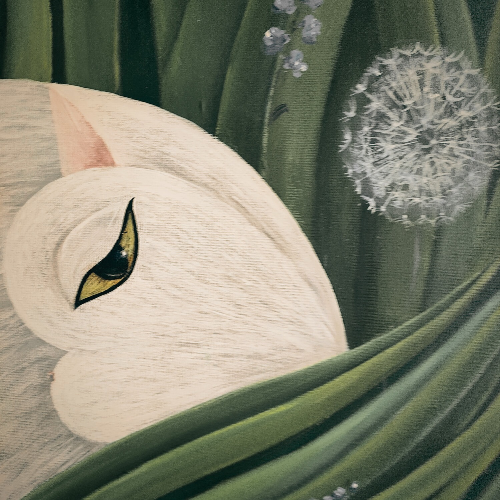
Physical Texture, Digital Precision For geometric elements in my traditional cat portraits, I sometimes use digital tools to plan precise measurements and angles, then execute them by hand to maintain the organic quality of traditional brushwork. This combination ensures mathematical accuracy while preserving the human touch that makes traditional art special.
Digital-to-Traditional Workflows
Digital tools can also enhance traditional execution, providing planning, precision, and problem-solving capabilities that improve final results.
Digital Planning and Composition Complex compositions benefit enormously from digital planning. I can experiment with colour relationships, test different geometric arrangements, and resolve compositional challenges digitally before touching brush to canvas. This planning reduces waste, improves efficiency, and increases the likelihood of successful traditional execution.
Digital planning tools allow unlimited experimentation without material costs. I can try dozens of colour combinations, test various compositional approaches, and refine details before committing to the time and materials required for traditional execution.
Colour Matching and Palette Development Digital tools excel at precise colour matching and palette development. I can create exact colour specifications digitally, then mix traditional paints to match these digital references. This approach ensures consistency across multiple works and enables precise colour communication with clients.
The ability to save and reference exact digital colour palettes has revolutionised my traditional painting practice. Clients can approve specific colours digitally before I begin traditional execution, reducing revisions and improving satisfaction.
Scale and Proportion Testing Large traditional works benefit from digital scale testing. I can create small digital versions to test how compositions will work at different sizes, identify potential problems, and optimise designs for specific dimensions before beginning expensive large-scale traditional execution.
Integrated Creation Processes
The most sophisticated hybrid approaches integrate traditional and digital techniques throughout the creation process rather than using them sequentially.
Layered Approach Development Some projects benefit from alternating between traditional and digital techniques. I might begin with traditional sketching, develop digitally, return to traditional painting for texture and depth, then finish with digital enhancement for reproduction optimisation.
This layered approach allows each medium to contribute its strengths at the most appropriate stages of development. The result often exceeds what either medium could achieve independently.
Real-Time Documentation and Sharing Creating traditional art while simultaneously documenting the process digitally has become standard practice. Time-lapse photography, progress shots, and social media sharing happen alongside traditional creation, creating content that serves marketing, educational, and archival purposes.
This integration of creation and documentation transforms the artistic process into a multi-media experience that serves both artistic and business goals simultaneously.
The Southend Hybrid Studio
Working in Southend-on-Sea has shaped my hybrid approach in specific ways that reflect our coastal environment and local art community.
Natural Light Integration Southend’s dramatic coastal light influences both my traditional painting and digital photography. I’ve learned to work with our changing light conditions, using morning light for traditional colour mixing, afternoon light for photography, and evening light for digital editing and planning.
This integration of natural light cycles with hybrid workflows creates a rhythm that optimises both traditional and digital processes according to environmental conditions.
Local and Global Markets The hybrid approach serves both local Southend clients who can visit my studio and international clients who discover my work online. Local clients often prefer traditional originals with digital documentation for sharing. International clients might choose digital delivery with local printing options.
This dual market approach maximises opportunities while serving different client preferences and practical needs.
Community Integration The local Southend art community has embraced hybrid approaches enthusiastically. Gallery exhibitions now routinely include both traditional works and digital displays. Art fairs feature hybrid artists alongside traditional and digital specialists. This integration reflects the broader evolution of contemporary art practice.
Client Benefits of Hybrid Approaches
Clients benefit significantly from hybrid workflows, often receiving more value and flexibility than either traditional or digital approaches could provide alone.
Multiple Format Options Emma’s commission illustrates this perfectly. She received an original traditional painting for her main home, plus high-quality digital files that enabled professional prints for her cottage and daughter’s flat. One artistic effort served multiple practical needs.
This flexibility particularly appeals to clients with multiple properties, family members in different locations, or varying display requirements. The hybrid approach maximises the value and utility of commissioned artwork.
Enhanced Communication and Approval Digital planning tools improve client communication dramatically. Clients can see and approve compositions, colours, and details before traditional execution begins. This preview capability reduces misunderstandings and ensures satisfaction with final results.
The ability to show clients exactly what they’ll receive before beginning expensive traditional execution has transformed the commission process. Clients feel more confident, and artists can work more efficiently.
Documentation and Archival Value Hybrid approaches provide comprehensive documentation that preserves artistic heritage. Clients receive not just finished artwork but also process documentation, high-resolution archives, and reproduction capabilities that protect their investment long-term.
This documentation becomes particularly valuable for insurance, estate planning, and family heritage purposes. The hybrid approach creates lasting value beyond the immediate artistic experience.
Technical Considerations for Hybrid Practice
Successful hybrid workflows require understanding the technical requirements and limitations of both traditional and digital approaches.
Colour Management Maintaining colour consistency across traditional and digital mediums requires sophisticated colour management. Digital displays, traditional paints, and printing processes all handle colour differently. Understanding these differences enables accurate translation between mediums.
Professional colour management involves calibrated monitors, standardised lighting, and systematic approaches to colour matching. This technical foundation ensures that hybrid workflows produce consistent, predictable results.
File Management and Archival Hybrid practice generates enormous amounts of digital data that must be organised, backed up, and preserved. Process photos, high-resolution scans, colour references, and final files require systematic management to remain useful long-term.
Professional file management systems become essential for hybrid artists. Proper organisation and backup procedures protect both artistic heritage and business assets.
Equipment Integration Hybrid studios require equipment that serves both traditional and digital needs. Professional photography equipment for documenting traditional work, calibrated monitors for digital accuracy, and high-quality printing capabilities for reproduction all become essential tools.
The investment in hybrid equipment pays dividends through improved quality, efficiency, and market reach. However, the complexity requires ongoing technical education and maintenance.
Workflow Examples from Practice
Real-world examples illustrate how hybrid approaches solve specific artistic and business challenges.
Memorial Pet Portrait Process For memorial commissions, I typically begin with traditional sketching to capture emotional connection, develop colour and composition digitally for client approval, execute the final piece traditionally for emotional weight, then create high-resolution documentation for family sharing and archival purposes.
This workflow ensures emotional authenticity while providing practical benefits like family sharing and long-term preservation. Each step serves specific emotional and practical needs.
Commercial Commission Workflow Business clients often require artwork that works across multiple applications – original display pieces, print materials, digital marketing, and product applications. Hybrid workflows enable one artistic effort to serve all these needs efficiently.
The process might involve digital planning for multiple applications, traditional execution for the primary piece, and digital optimisation for various reproduction needs. This approach maximises value for commercial clients while maintaining artistic integrity.
Series Development Process When developing themed series like my seasonal cat collections, hybrid workflows enable consistency and efficiency. Digital planning ensures cohesive colour palettes and compositional relationships across multiple traditional pieces, while digital documentation enables coordinated marketing and sales approaches.
Creative Advantages of Integration
Hybrid approaches often produce creative results that exceed what either medium could achieve independently.
Enhanced Precision with Organic Quality Combining digital precision with traditional organic qualities creates unique aesthetic possibilities. Geometric elements can be mathematically perfect while maintaining the human touch that makes traditional art emotionally compelling.
This combination serves my artistic style particularly well, enabling the geometric precision my work requires while preserving the organic botanical elements that define my aesthetic approach.
Experimental Freedom with Practical Efficiency Digital experimentation reduces the risk and cost of traditional exploration. I can try bold approaches digitally before committing to expensive traditional execution. This freedom encourages creative courage while maintaining practical efficiency.
The safety net of digital experimentation has expanded my artistic vocabulary significantly. Approaches that would be too risky to attempt directly in traditional mediums become feasible through hybrid workflows.
Expanded Expressive Range Different mediums excel at different types of expression. Traditional techniques might capture emotional weight and organic texture, while digital tools provide precision and experimental flexibility. Combining both expands the total expressive range available for each project.
Business Benefits of Hybrid Practice
Hybrid approaches provide significant business advantages that benefit both artists and clients.
Market Expansion Hybrid practice serves multiple market segments simultaneously. Traditional art collectors, digital art enthusiasts, and practical clients seeking reproduction flexibility all find value in hybrid offerings. This expanded market reach increases opportunities and revenue potential.
Efficiency and Productivity Well-designed hybrid workflows often prove more efficient than purely traditional or digital approaches. Digital planning reduces traditional execution time, while traditional techniques provide emotional weight that digital alone cannot match. The combination optimises both efficiency and impact.
Risk Management Hybrid approaches provide multiple revenue streams and backup options. If traditional sales are slow, digital options provide alternatives. If digital markets become saturated, traditional offerings maintain value. This diversification reduces business risk.
Client Satisfaction Hybrid approaches often exceed client expectations by providing more value and flexibility than they initially expected. This enhanced satisfaction leads to repeat business, referrals, and stronger client relationships.
Common Hybrid Workflow Challenges
Understanding typical challenges helps artists develop more effective hybrid practices.
Technical Complexity Hybrid workflows require mastery of both traditional and digital techniques, plus understanding of how they interact. This complexity demands ongoing education and practice to maintain proficiency across multiple skill sets.
Equipment and Software Costs Hybrid studios require investment in both traditional and digital equipment. Professional cameras, calibrated monitors, software subscriptions, and traditional materials all represent ongoing costs that must be factored into business planning.
Time Management Hybrid workflows can become time-intensive if not carefully managed. The temptation to over-refine digital elements or over-document traditional processes can reduce efficiency if not controlled systematically.
Quality Control Maintaining consistent quality across traditional and digital elements requires systematic approaches and regular calibration. Colour accuracy, resolution standards, and reproduction quality all need ongoing attention to maintain professional results.
Future Developments in Hybrid Practice
Hybrid approaches continue evolving as technology advances and artistic practices mature.
AI Integration Artificial intelligence tools are beginning to assist with technical aspects of hybrid workflows – colour matching, composition analysis, and process optimisation. These tools handle routine tasks, freeing artists to focus on creative decisions.
Improved Hardware Display technology, printing capabilities, and digital tools continue improving, making hybrid workflows more seamless and effective. Better colour accuracy, higher resolutions, and more intuitive interfaces reduce technical barriers to hybrid practice.
Market Evolution Art markets increasingly expect hybrid capabilities. Collectors want documentation, galleries require digital portfolios, and clients expect reproduction options. Hybrid practice is becoming standard rather than optional for professional artists.
Developing Your Hybrid Approach
Artists interested in hybrid practice can develop their capabilities systematically.
Start with Documentation Begin by professionally documenting existing traditional work. This foundation provides immediate benefits while building digital skills and equipment familiarity.
Experiment with Planning Use digital tools for composition and colour planning before traditional execution. This low-risk integration provides immediate workflow benefits while building hybrid capabilities.
Invest in Quality Equipment Professional results require professional equipment. Invest in calibrated monitors, quality cameras, and reliable software to ensure consistent, marketable results.
Develop Systematic Workflows Create repeatable processes that optimise both traditional and digital elements. Systematic approaches ensure consistent quality while improving efficiency over time.
The Strategic Advantage
Emma’s commission succeeded because the hybrid approach served her specific needs better than either traditional or digital art alone could have managed. She received the emotional weight and physical presence of an original painting, plus the practical flexibility of high-quality reproduction for multiple locations.
This strategic thinking – matching artistic approach to specific client needs and project requirements – represents the future of professional art practice. Artists who master hybrid workflows can serve broader markets, provide enhanced value, and create artistic results that exceed what either medium could achieve independently.
The hybrid approach isn’t about compromise – it’s about optimisation. By understanding when and how to combine traditional and digital techniques, artists can create solutions that serve both artistic vision and practical requirements more effectively than either approach alone.
Next week, I’ll explore client psychology – how medium choice affects emotional connection and what this means for artists and collectors making decisions about traditional versus digital art.
- Behind-the-scenes of Artwork Creation
- History of Art
- Local Art Scene in Southend-on-Sea
- Nature and Cat Art Technics
- Navigating Social Media & AI in Art in 2025
- Seasonal Reflections
- Thoughts on AI Art, Traditional Art, and Creativity
- Uncategorized



 Milena Skulimowska Visual Artist
Leave a comment