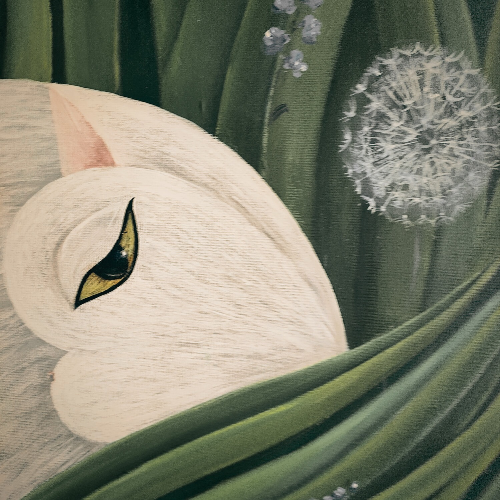

The spring equinox is one of those calendar moments that feels both scientific and deeply emotional. It’s the day when light and dark sit in balance, and from that point on, the days begin to stretch. For artists, it’s a natural turning point: a shift in palette, subject matter, and energy.
This post explores how the spring equinox shows up in art—historically and in contemporary practice—and how you can use it as a creative prompt in your own work.
What the spring equinox represents (and why artists care)
On the equinox, day and night are roughly equal in length. That physical reality—balance—has made the equinox a powerful symbol across time. In creative terms, it’s less about “spring is here” and more about the threshold: the moment one season releases its grip and another begins.
Artists are drawn to the equinox because it naturally carries a set of themes that translate beautifully into visual language:
- Renewal and fresh starts: not a dramatic reset, but a quiet return of momentum.
- Transition and transformation: buds, thawing ground, shifting skies—everything is in the process of becoming.
- Fertility, growth, and the return of colour: the first signs of life after the visual restraint of winter.
- Harmony between opposites: light/dark, warm/cool, stillness/movement, dormancy/awakening.
If you like working with symbolism, the equinox gives you a clear structure: you can build a piece around two forces in balance and then hint at the inevitable tilt toward light.
Symbolic motifs that often appear around the equinox
You don’t need to paint literal equinox rituals to make equinox art. A few small motifs can carry the meaning:
- Seeds, bulbs, and shoots: potential made visible.
- Eggs and nests: beginnings, fragility, and care.
- Hares and birds: energy, movement, and the return of wildlife.
- Openings and thresholds (doors, windows, gates, paths): the idea of crossing into a new phase.
- Circles, spirals, and repeating patterns: cycles, seasons, and the feeling that life returns again and again.
- Paired elements: two flowers, two trees, two figures, mirrored shapes—suggesting balance without needing perfect symmetry.
A useful prompt: choose one motif that represents what’s emerging and one that represents what’s being left behind. Let the tension between them do the storytelling.
Spring equinox themes across art history
Artists have always responded to seasonal change, but the equinox is especially rich because it’s not just “spring is here”—it’s the threshold.
Myth, ritual, and symbolism
Across cultures, spring equinox traditions often connect to stories of return: the earth waking up, the underworld releasing what was held, the first green pushing through. In art, this tends to appear as:
- Floral motifs and new shoots
- Birds, eggs, hares, and other symbols of fertility
- Figures emerging from darkness into light
- Circular compositions that suggest cycles and repetition
You’ll see echoes of this in everything from decorative folk art to more formal allegorical painting.
Light as a subject
The equinox is a light event as much as a seasonal one. Artists who pay close attention to atmosphere—landscape painters, impressionists, contemporary plein air artists—often use early spring light to explore:
- Crisp shadows and clearer edges
- Cooler highlights paired with warmer mid-tones
- The first real sparkle on water and wet ground
- A sense of openness after winter’s heaviness
It’s not “summer brightness” yet. It’s cleaner, more tentative, and often more interesting.
How the equinox changes what we notice
One of the most useful things about seasonal markers is that they train attention. Around the equinox, people start noticing:
- The first wildflowers (often tiny, often overlooked)
- Buds and catkins before full leaves arrive
- The geometry of branches still visible through sparse growth
- The contrast between last season’s textures and new life
For artists, this is gold. It’s a ready-made prompt to look closer and simplify: pick one small detail and let it carry the whole piece.
Colour palettes for the spring equinox
If you’re looking for a practical way to bring the equinox into your work, start with colour. Early spring palettes sit between winter and summer, which is exactly why they feel fresh: they combine restraint with the first confident accents.
What changes in the palette (and why it matters)
Winter palettes often lean into limited colour, lower saturation, and heavier neutrals. As spring arrives, colour doesn’t explode all at once—it returns in stages.
Here’s what tends to shift around the equinox:
- Greens move from muted to “alive”: early greens usually lean yellow (new growth) rather than deep blue-green (mature summer foliage).
- Neutrals warm up: you still have bark, soil, dried grasses, and stone, but they start reading less grey and more golden or earthy.
- Blues stay present: early spring skies and shadows can be surprisingly cool, which keeps the palette from becoming sugary.
- Accents become more intentional: one bright note (daffodil yellow, poppy red, forget-me-not blue) suddenly feels significant against quieter supporting tones.
A few equinox-friendly palette directions
Pick one of these approaches depending on your style:
- Muted base + one bright “first bloom” accent: mostly soft neutrals and greys, with a single high-chroma colour.
- Cool air + warm earth: blue-greys and cool shadows paired with warm browns and ochres.
- Fresh green + floral contrast: yellow-greens balanced with violet, coral, or deep pink.
- High-contrast graphic spring: clean darks, crisp lights, and a limited set of bold spring colours.
Practical palette exercises (fast, useful)
If you want something you can do in one sitting:
- Two-swatches test: paint/draw the same subject twice—once with a winter palette (cool neutrals), once with an equinox palette (same neutrals + one spring accent). Compare the emotional shift.
- 5-colour limit: choose 5 colours total, including one bright accent. This keeps the work feeling intentional rather than “random spring.”
- Value-first, colour-second: plan the piece in light/dark first, then add colour sparingly. Equinox palettes look best when the structure is clear.
A simple rule that works almost every time: keep most of the palette muted and allow one spring colour to do the talking.
Composition ideas: balance without symmetry
Because the equinox is about balance, it naturally invites compositional play.
Try:
- A strong central subject with quieter supporting shapes
- Two contrasting elements (light/dark, warm/cool) held in tension
- Repeating organic shapes paired with a geometric structure
- Negative space that feels “breathable,” like the season itself
Balance doesn’t have to mean perfect symmetry. Often the most satisfying “equinox” compositions feel stable but slightly alive—like they could tip into growth at any moment.
Creative prompts for artists (quick and practical)
If you want to make something equinox-inspired without overthinking it, here are a few prompts:
- Paint or draw the same subject twice: once in winter tones, once in early spring tones.
- Create a piece that uses exactly two dominant values: one light, one dark.
- Choose one small sign of spring (a bud, a single flower, a cat in sunlit grass) and build a whole composition around it.
- Make a “threshold” artwork: something emerging, opening, or shifting.
- Limit your palette to 5 colours and include one bright accent.
Bringing the spring equinox into your own practice
You don’t need to make overt seasonal art for the equinox to be useful. Think of it as a studio reset:
- What do you want more of in your work this season?
- What feels ready to grow?
- What can you simplify so the main idea reads clearly?
The equinox is a reminder that change can be gentle and still be real.
Closing thought
The spring equinox isn’t just a date—it’s a visual and emotional cue. It’s the moment the year turns its face toward light. In art, that can mean brighter colour, softer edges, new motifs, or simply a renewed attention to small details.
If you’re making work this week, consider using the equinox as your prompt: create something balanced, something transitional, something quietly hopeful.
What’s the first sign of spring you always notice where you live?
 Milena Skulimowska Visual Artist
Leave a comment