
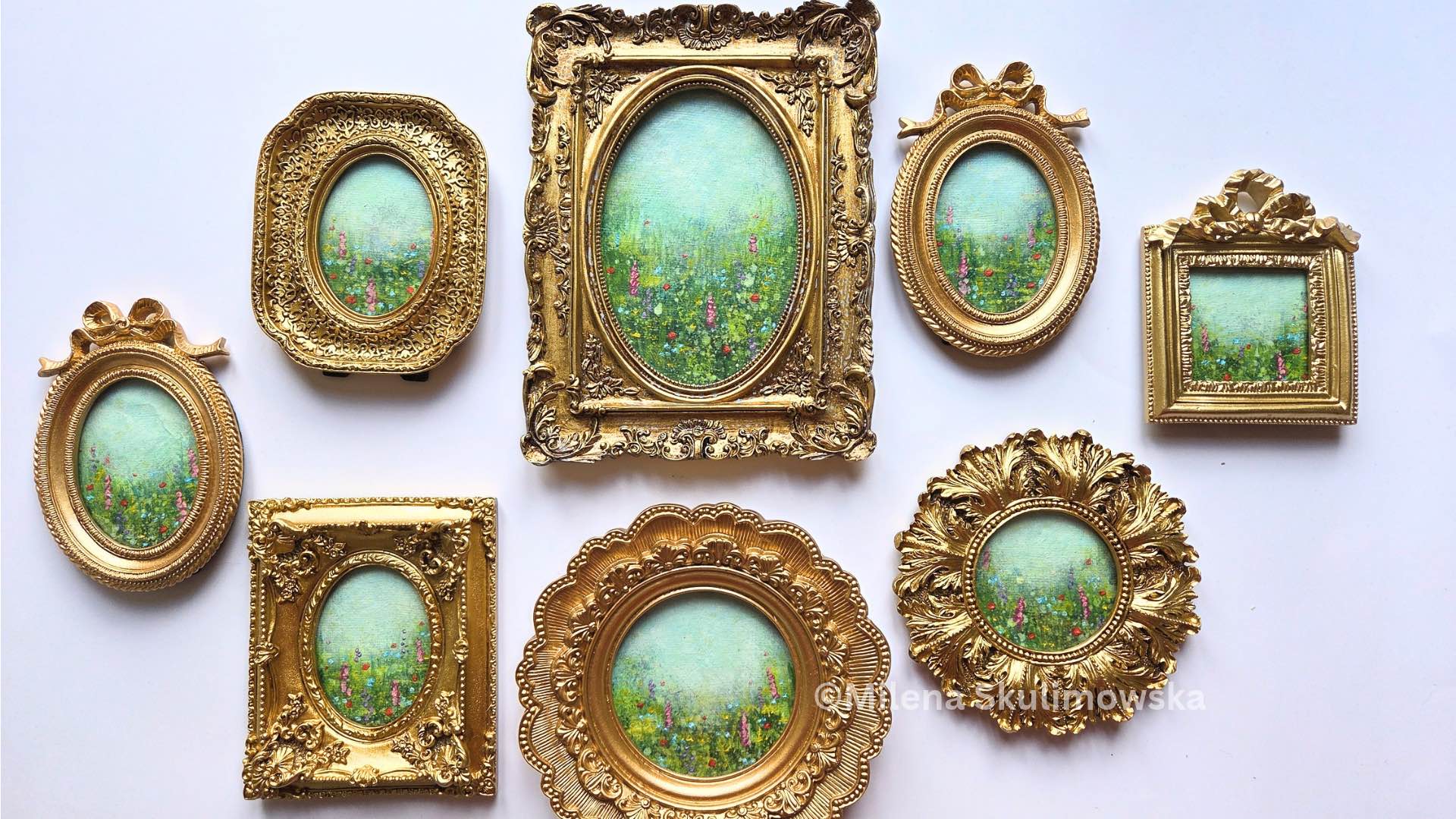
As an artist, I find immense joy in drawing inspiration from the world around me, particularly the serene beauty of nature. My latest series of paintings, which I am thrilled to share with you, is a collection of impressionist landscapes that capture the ethereal charm of misty meadows adorned with vibrant red poppies.
The Inspiration Behind the Series
This series was born out of a deep appreciation for the subtle wonders of the natural world. Early morning walks in lush meadows, where the mist blankets the earth like a soft whisper, served as my muse. The sight of delicate poppies standing tall amidst the fog, their red petals a striking contrast against the muted greens and grays, sparked a creative fire within me. These moments of quiet beauty felt like fleeting dreams, and I was compelled to immortalize them on canvas.
The Allure of Misty Meadows
Misty meadows have a magical quality, evoking a sense of peace and mystery. The soft, diffused light and the gentle, rolling fog create a perfect backdrop for the vibrant red poppies that dot the landscape. This juxtaposition of softness and color is what makes these scenes so compelling and a perfect subject for impressionist painting.
Why Choose Impressionism?
Impressionism, with its emphasis on light and color, is ideally suited for capturing the fleeting beauty of misty meadows. This style allows artists to convey the atmosphere and emotion of a scene rather than focusing on precise details. The key to impressionism is to embrace spontaneity and let your brushstrokes express the essence of the moment.
The Creative Process: Step-by-Step Guide
Creating this series was a deeply immersive experience. I embraced the impressionist style for its ability to convey the play of light and color in a way that feels both spontaneous and emotionally resonant. Each brushstroke was a deliberate attempt to capture the essence of mist—a gentle mystery that shrouds the landscape and invites the viewer to linger in its depths.
The choice of palette was crucial in evoking the mood I wished to convey. Soft blues, gentle grays, and muted greens form the backdrop, while bold reds of the poppies punctuate the scene, drawing the eye and evoking a sense of life and hope amidst the mist. The interplay of these colors is intended to evoke a sense of calm and contemplation, inviting viewers to lose themselves in the tranquil beauty of a mist-covered meadow.
Creating a series of impressionist landscapes involves both planning and spontaneity. Here’s a step-by-step guide to help you navigate this creative journey.
Step 1: Loose Colour Blocking for an Impressionist Meadow

At this first stage, I treat the painting like an atmosphere study rather than a finished scene. I loosely block in the meadow and the sky with broad, blended strokes, then add quick splashes of colour to suggest movement and light without getting caught up in detail. For these hazy meadow landscapes, I prefer to begin with darker, deeper tones so the composition has depth from the start, and then slowly brighten it layer by layer—blending in softer, more pastel colours until the whole piece feels lighter, airier, and more luminous.
Step 2: Blending the Meadow Into the Sky (Soft Edges, Subtle Texture)

This second stage is the one I find hardest to capture in a photo, because it’s less about one “big” change and more about a balance I build gradually. I start blending the pastel sky into the meadow so the two areas melt into each other, rather than sitting in separate blocks with a hard border. At the same time, I begin adding more definition to the meadow—suggesting texture, movement, and direction—while also marking out early areas of light and shadow. I’ll often repeat this cycle a few times: define, soften, splatter, blend again, until the transition feels hazy and natural but still has enough structure to hold the scene together.
Step 3: Adding Depth to the Sky (Milky Centre, Cooler Edges)

In the next stage, I keep blending and start building values in the sky so it doesn’t feel flat. I make the colour more milky and soft closer to the centre of the painting, then gradually shift it towards cooler blue-green tones around the edges. That subtle change creates depth and gently pulls the viewer inward, so the sky starts to feel like an actual space you could step into rather than a simple backdrop. I don’t have extra photos for this part—when I’m in the middle of painting I often get so absorbed that I forget to document the process.
Final Step: Textured Red Flowers, Orange Highlights, and a Unifying Splatter

In the final stage, I start adding the flowers. I mix a little modelling paste into the red paint to give the petals a touch of texture and help “lock in” that bright, fresh colour. Against the green background the red already pops beautifully, but to push the vibrancy even further I add a small amount of orange highlight on the flowers that sit closest to the viewer. It’s a simple detail that makes the foreground feel warmer and more alive. To finish, I add another light layer of splatter to bring everything together, so the flowers feel integrated into the meadow rather than sitting on top of it.
The final result

A meadow you can almost step into—soft edges, gentle texture, and just enough detail. 
Close-up detail: tiny red poppies scattered through layers of green, with splatter adding that airy, hazy feel. 
Close-up of the “no hard horizon” approach—meadow melting into sky with soft value shifts. 
Texture on texture—brushwork, splatter, and little pops of colour that suggest flowers without over-defining them.
Creating a Series: Telling a Visual Story
As you explore this series, I hope it offers you a moment of peace—a chance to pause and reflect on the delicate balance of nature. The misty meadows and red poppies serve as a reminder of the fleeting beauty that surrounds us, often overlooked in the hustle and bustle of daily life.
In these paintings, I aim not only to capture a visual representation but also to evoke an emotional response, encouraging a connection with the natural world. Whether you are an art enthusiast or simply someone who appreciates the beauty of nature, I invite you to let these landscapes transport you to a place of serenity and wonder.
Tips for Developing a Series
- Theme Variation: Experiment with different times of day or weather conditions to showcase the meadow in various lights and moods.
- Color Palette: While maintaining consistency, introduce slight variations in your color palette for each piece to reflect different emotions.
- Composition: Play with different perspectives and focal points within the meadow, such as focusing on a cluster of poppies or a distant tree line.
Conclusion: Embracing the Journey
Creating a series of dreamy impressionist landscapes is a journey of exploration and expression. It’s about capturing the fleeting beauty of nature and sharing it with the world through your unique artistic lens. As you embark on this creative adventure, remember that art is not just about the final product; it’s about the joy of the process and the stories you tell along the way.
Join the Conversation
- How does nature inspire your own creative endeavors?
- What emotions do you hope to evoke in those who view your artwork?
- How can you incorporate different sensory elements into your painting process to enhance your connection with the scene?
- AI and Social Media
- Behind-the-scenes of Artwork Creation
- Events
- Seasonal Reflections
- Thoughts on Creativity


Leave a Reply